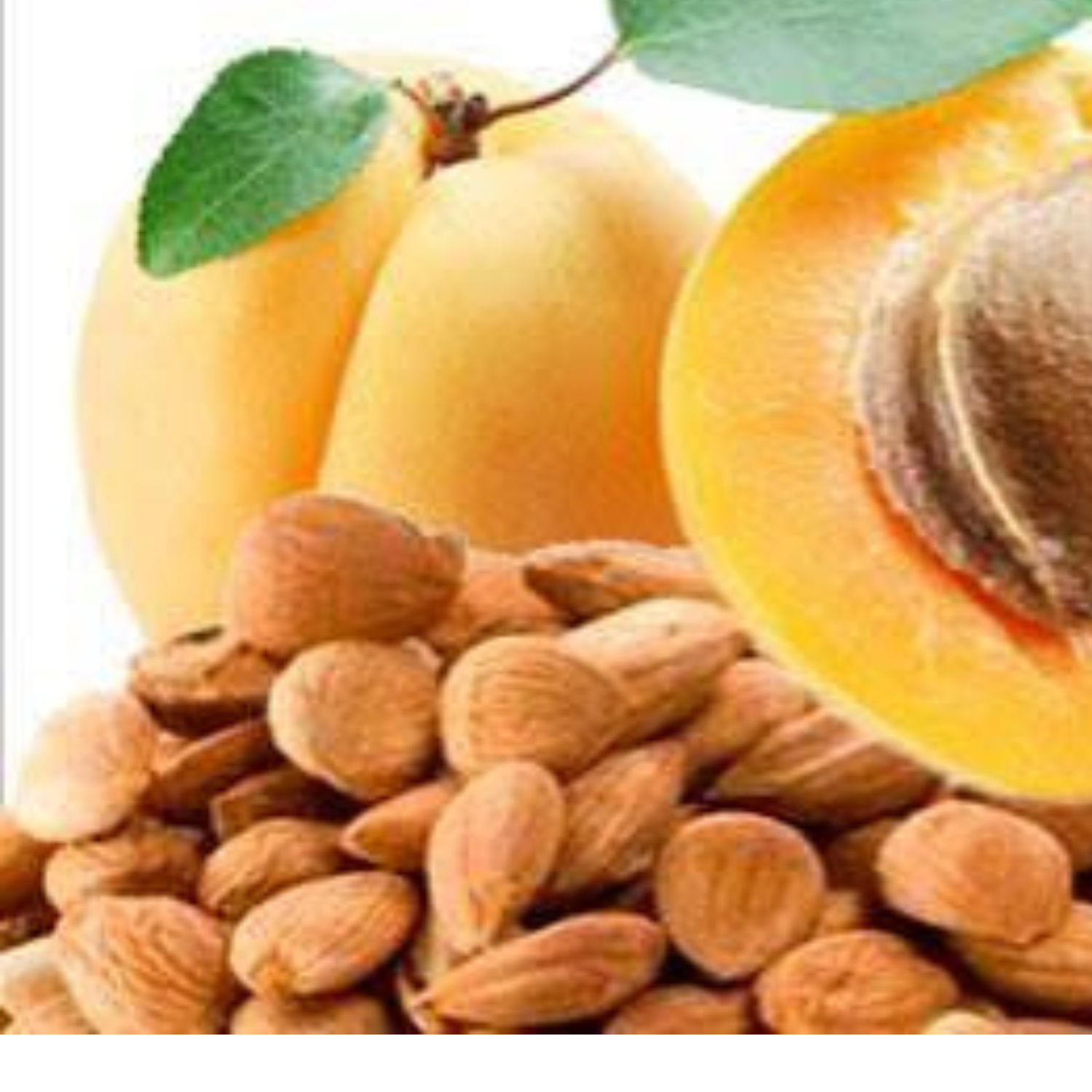
As interest in natural foods and wholesome ingredients continues to grow, apricot kernels have found their way into many American kitchens. While they are not as commonly used as almonds or walnuts, they are increasingly being discovered by home cooks, bakers, and food enthusiasts looking to experiment with new flavors and ingredients.
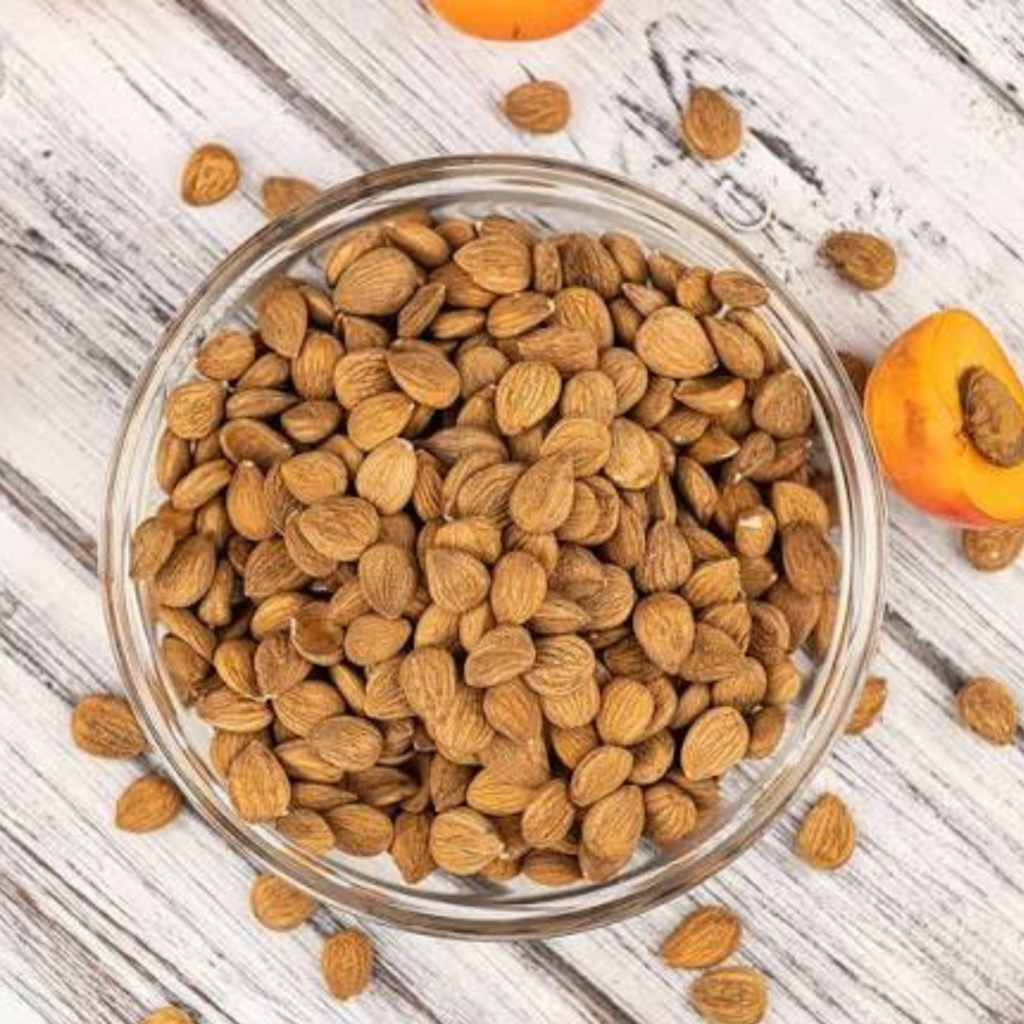
Below are some of the most popular culinary uses for sweet apricot kernels.
Table of Contents
1. Homemade Trail Mix
A simple trail mix can be made by combining chopped sweet apricot kernels with other nutritious ingredients, such as:
- Almonds
- Cashews
- Walnuts
- Pecans
- Pumpkin seeds
- Sunflower seeds
- Dried cranberries
- Raisins
- Unsweetened coconut flakes
This creates a crunchy snack that’s easy to enjoy at work, while hiking, or during road trips.
2. Baking
Sweet apricot kernels add a pleasant nutty flavor to a wide variety of baked goods.
Popular recipes include:
- Banana bread
- Chocolate brownies
- Muffins
- Biscotti
- Cookies
- Scones
- Fruit cakes
- Homemade bread
Many bakers finely chop or grind the kernels before adding them to the batter for an even distribution of flavor.
3. Breakfast Bowls
Breakfast is another excellent opportunity to enjoy sweet apricot kernels.
Try sprinkling chopped kernels over:
- Oatmeal
- Overnight oats
- Greek yogurt
- Cottage cheese
- Fresh fruit bowls
- Acai bowls
Combined with berries, bananas, apples, or peaches, they add both texture and a mild nutty taste.
4. Smoothies
Many smoothie enthusiasts enjoy experimenting with different nuts and seeds.
Sweet apricot kernels can be blended into smoothies made with ingredients such as:
- Banana
- Blueberries
- Strawberries
- Mango
- Spinach
- Kale
- Almond milk
- Oat milk
- Yogurt
Using a high-powered blender helps achieve a smooth consistency.
5. Homemade Nut Butter Blends
Some adventurous home cooks combine sweet apricot kernels with roasted almonds, cashews, or hazelnuts to create unique homemade spreads.
A simple recipe may include:
- Sweet apricot kernels
- Almonds
- Honey
- A pinch of sea salt
- A small amount of avocado or sunflower oil
Blend until smooth and enjoy on toast, crackers, or fresh fruit.
How to Choose High-Quality Apricot Kernels
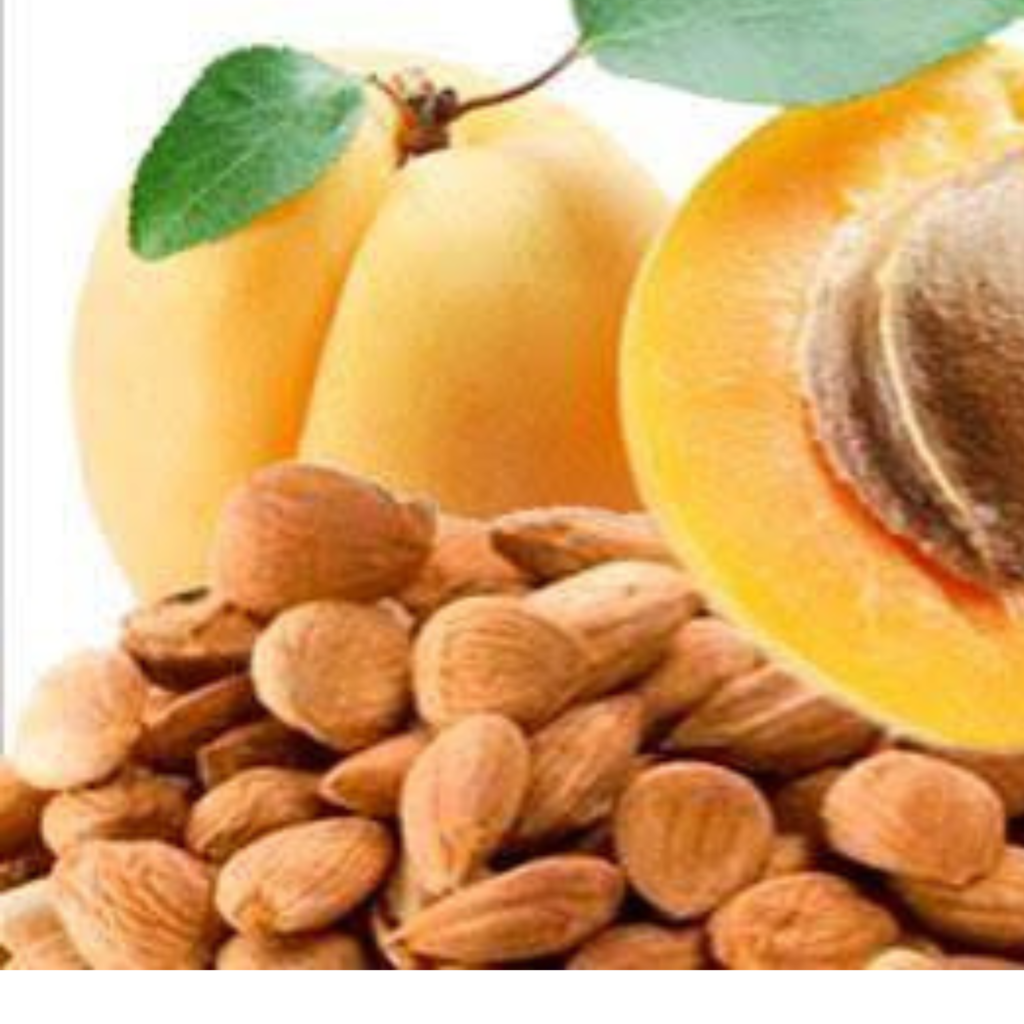
Not all apricot kernels are created equal. If you’re shopping online or at a specialty food store, it’s important to know what to look for.
Look for Clearly Labeled Products
A trustworthy seller should clearly state whether the kernels are:
- Sweet apricot kernels
- Bitter apricot kernels
The product description should also include:
- Country of origin
- Net weight
- Storage recommendations
- Packaging date (when available)
Transparency is often a good sign that the supplier values quality and customer satisfaction.
Fresh Appearance
Fresh apricot kernels typically have:
- A light cream or beige color
- A clean, dry surface
- A firm texture
- No visible mold or discoloration
Avoid products that appear excessively dark, oily, or damaged.
Pleasant Aroma
Fresh sweet apricot kernels should have a mild, nutty scent.
They should not smell:
- Musty
- Sour
- Rancid
- Damp
An unpleasant odor may indicate improper storage or that the product is no longer fresh.
Proper Packaging
Quality packaging helps preserve freshness.
Look for products packed in:
- Resealable pouches
- Vacuum-sealed bags
- Airtight containers
- Moisture-resistant packaging
These packaging methods help protect the kernels from humidity, air, and contaminants during storage and shipping.
How to Store Apricot Kernels
Proper storage helps maintain freshness, flavor, and quality.
Room Temperature
If you’ll use the kernels within a few weeks:
- Store them in an airtight container.
- Keep them in a cool, dry place.
- Protect them from direct sunlight.
- Avoid areas with high humidity.
Refrigeration
For longer storage:
- Place the kernels in an airtight container.
- Store them in the refrigerator.
- Keep them away from foods with strong odors.
Refrigeration can help preserve their natural oils and flavor.
Freezing
If you purchase apricot kernels in bulk, freezing is another option.
Store them in freezer-safe bags or airtight containers. When needed, allow them to thaw naturally before use.
Properly frozen kernels can maintain their quality for an extended period.
Common Mistakes to Avoid
If you’re buying apricot kernels for the first time, avoid these common mistakes.
Buying Without Reading the Label
Always confirm whether you’re purchasing sweet or bitter apricot kernels. The two varieties are intended for different culinary purposes and should not be confused.
Ignoring Storage Instructions
Natural foods can lose freshness if exposed to heat, moisture, or air.
Following the manufacturer’s storage recommendations helps maintain product quality.
Purchasing from Unknown Sellers
Choose reputable retailers that provide:
- Detailed product descriptions
- Clear labeling
- Customer support
- Product images
- Transparent sourcing information
Reliable suppliers are more likely to maintain consistent quality standards.
Important Safety Considerations
Apricot kernels have been the subject of public discussion due to naturally occurring compounds found in the seeds, particularly in bitter apricot kernels. These compounds can release cyanide when metabolized in the body.
For this reason:
- Always read and follow the product label.
- Purchase only from reputable suppliers.
- Use products according to the manufacturer’s directions.
- Keep apricot kernels out of reach of young children unless specifically intended for them and used according to guidance.
- If you have questions about whether apricot kernels are appropriate for your diet or health needs, consult a qualified healthcare professional.
Understanding the difference between sweet and bitter varieties—and using them appropriately—is an important part of making informed purchasing decisions.
Common Myths About Apricot Kernels
As apricot kernels have become more widely known, several misconceptions have circulated online. Here are a few common myths and the facts behind them.
Myth 1: Apricot Kernels and Almonds Are Exactly the Same
Although they look similar and belong to the same botanical family, apricot kernels and almonds are different seeds with distinct characteristics and flavors.
Myth 2: All Apricot Kernels Taste Bitter
This is incorrect.
Sweet apricot kernels have a mild, pleasant flavor that many people compare to almonds, while bitter apricot kernels have a much stronger taste.
Myth 3: Bigger Kernels Are Always Better
Size alone doesn’t determine quality.
Factors such as freshness, proper handling, careful processing, and appropriate storage are far more important indicators of a premium product.
Myth 4: Apricot Kernels Are Only Used for Baking
While baking is a popular use, sweet apricot kernels can also be enjoyed in granola, yogurt, smoothies, salads, trail mixes, and other creative recipes.