What Are Apricot Kernels?
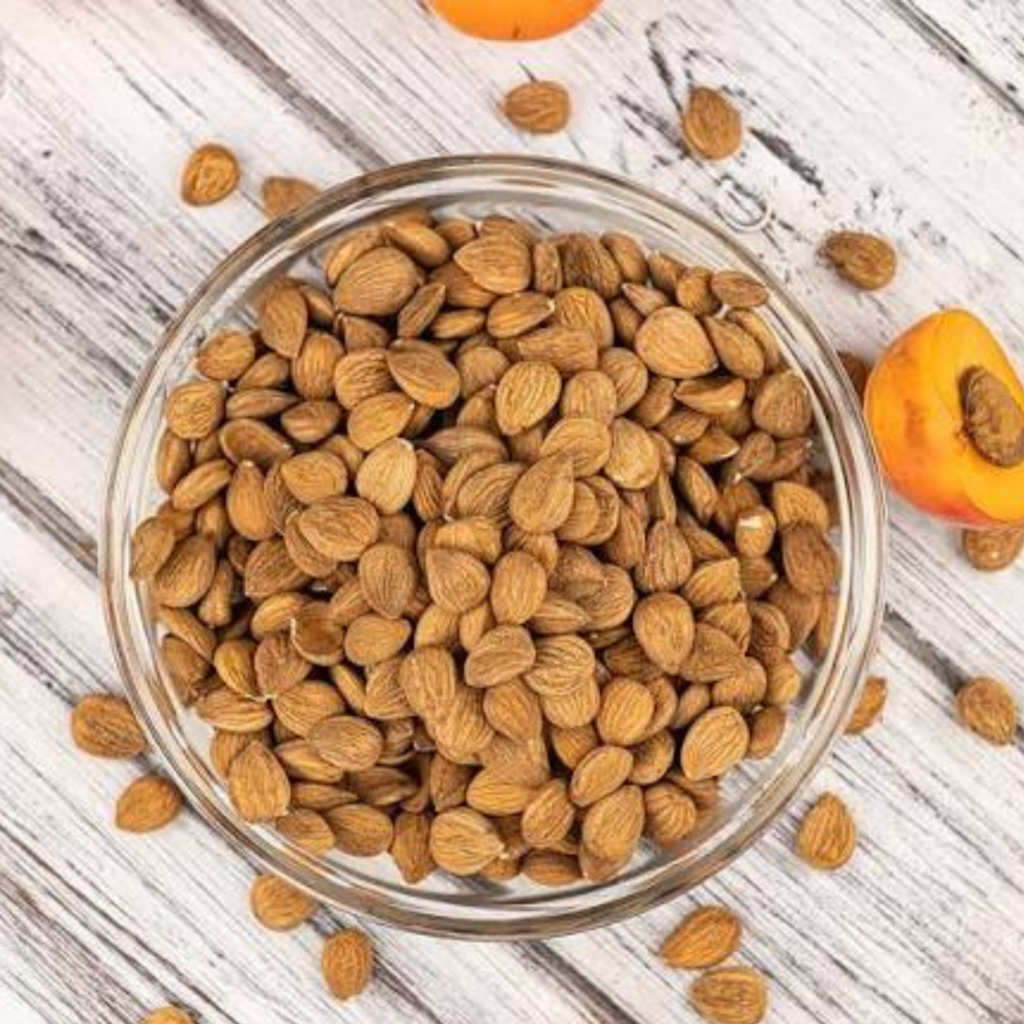
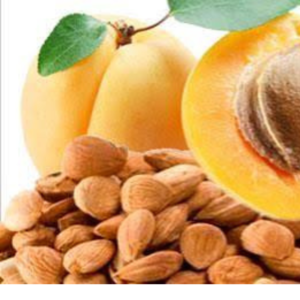
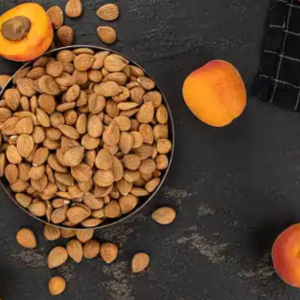
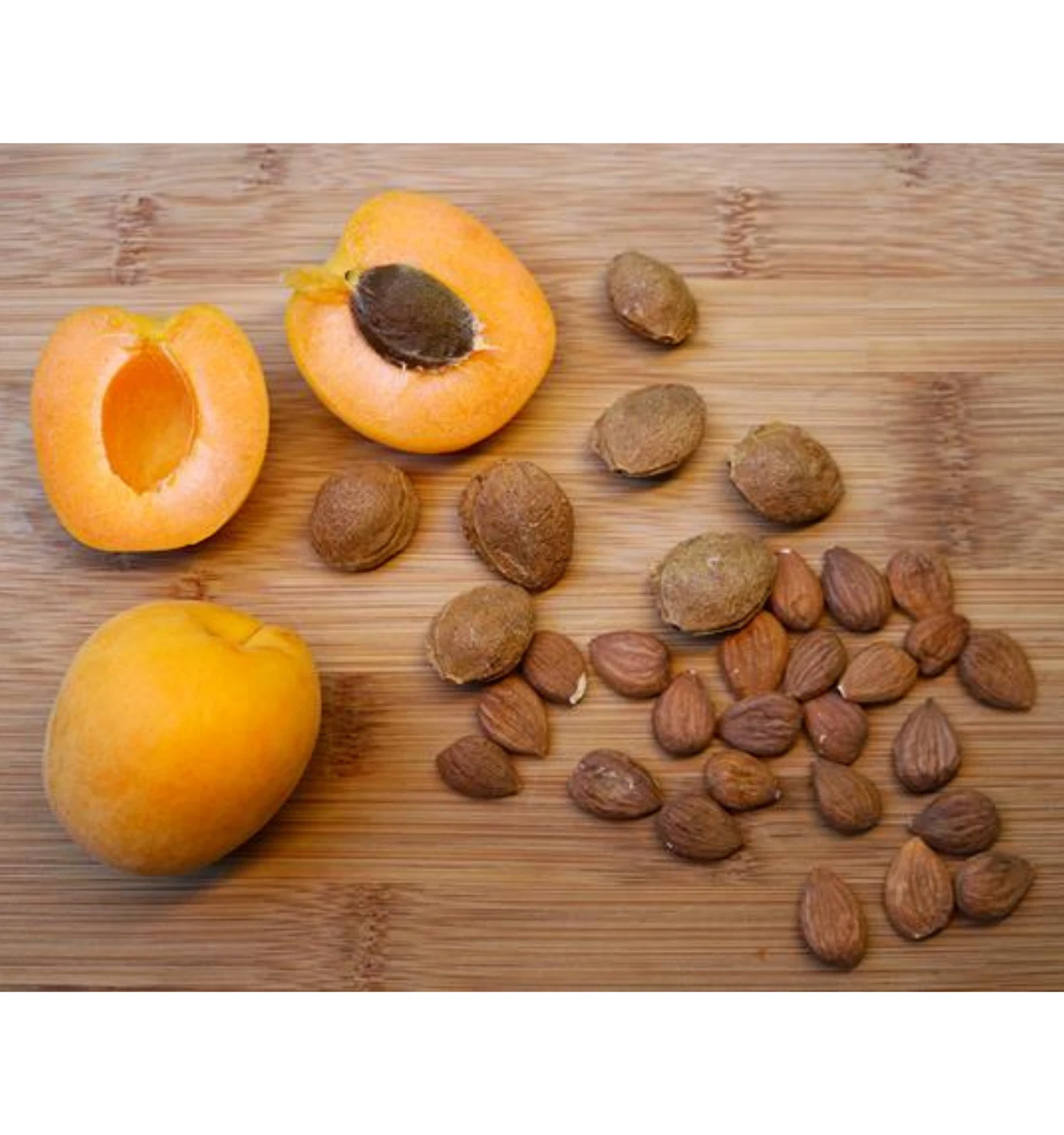
Apricot kernels are the edible seeds found inside the hard pit of an apricot fruit. After removing the juicy orange flesh, you’ll find a stone-like shell in the center. Inside that shell is a small seed known as the apricot kernel.
Although many people have enjoyed apricots for centuries, fewer are familiar with the kernel hidden inside. In recent years, apricot kernels have gained attention among health-conscious consumers, home bakers, and food enthusiasts looking for unique ingredients to incorporate into their diets.
Their rich nutty flavor, versatility, and traditional culinary uses have made them increasingly popular in the United States.
Whether you’re curious about adding them to recipes or simply want to understand what they are, this guide covers everything you need to know before purchasing apricot kernels.
Table of Contents
Where Do Apricot Kernels Come From?
Apricot trees belong to the Prunus family, the same family that includes peaches, cherries, plums, and almonds.
Every ripe apricot contains:
- Soft edible fruit
- A hard stone (pit)
- An edible kernel inside the pit
Harvesting apricot kernels involves several careful steps:
- Harvest ripe apricots.
- Remove the fruit.
- Clean and dry the pits.
- Crack open each pit.
- Carefully extract the kernel.
- Sort and package the kernels.
Because every kernel must be extracted individually, producing premium-quality apricot kernels requires considerable labor and quality control.
Why Are Apricot Kernels Becoming More Popular?
American consumers are becoming increasingly interested in natural foods, minimally processed ingredients, and traditional pantry staples
Apricot kernels fit into several growing food trends:
- Plant-based eating
- Whole-food ingredients
- Home baking
- Artisan cooking
- International cuisine
- Gourmet snacking
Food bloggers and recipe creators often use apricot kernels to add a subtle almond-like flavor to desserts, pastries, cookies, and homemade granola.
Many consumers also appreciate that quality apricot kernels contain no artificial flavors, preservatives, or added sugars when sold in their natural form.
What Do Apricot Kernels Taste Like?
One of the first questions new buyers ask is:
“Do apricot kernels taste like almonds?”
The answer depends on the variety.
Sweet Apricot Kernels
Sweet apricot kernels have a mild, delicate, nutty flavor.
Many people describe them as somewhere between:
- Almonds
- Pine nuts
- Macadamia nuts
Their pleasant flavor makes them suitable for:
- Baking
- Smoothies
- Homemade trail mix
- Granola
- Energy bars
- Cookies
- Cakes
Bitter Apricot Kernels
Bitter apricot kernels have a much stronger taste.
Their flavor is:
- Intense
- Slightly earthy
- Bitter
- Concentrated
Because of their stronger flavor, bitter kernels are used differently from sweet kernels and are generally not consumed like snack nuts.
When purchasing apricot kernels, always read the product description carefully so you know which variety you are buying.
Are Apricot Kernels the Same as Almonds?
Although they look remarkably similar, apricot kernels and almonds are different foods.
| Apricot Kernels | Almonds |
|---|---|
| Found inside apricot pits | Grow inside almond fruit |
| Smaller in size | Larger |
| More delicate texture | Firmer texture |
| Unique flavor | Classic almond flavor |
| Available in sweet and bitter varieties | Mostly sweet varieties |
Interestingly, apricot trees and almond trees are closely related botanically, which explains why their seeds resemble each other.
Some chefs even use sweet apricot kernels as an alternative ingredient in specialty recipes that traditionally call for almonds.
Sweet vs. Bitter Apricot Kernels
Understanding the difference between sweet and bitter varieties is essential before making a purchase.
Sweet Apricot Kernels
Characteristics include:
- Mild flavor
- Pleasant aroma
- Popular in baking
- Used in snacks
- Great for homemade recipes
Many consumers prefer sweet apricot kernels for everyday culinary use because they blend easily into numerous recipes.
Bitter Apricot Kernels
Characteristics include:
- Distinct bitter taste
- Strong aroma
- Used traditionally in certain cuisines
- Often used in specialty recipes
If you’re shopping online, make sure the seller clearly labels the variety so you receive the product that best suits your intended use.
Nutritional Profile of Apricot Kernels
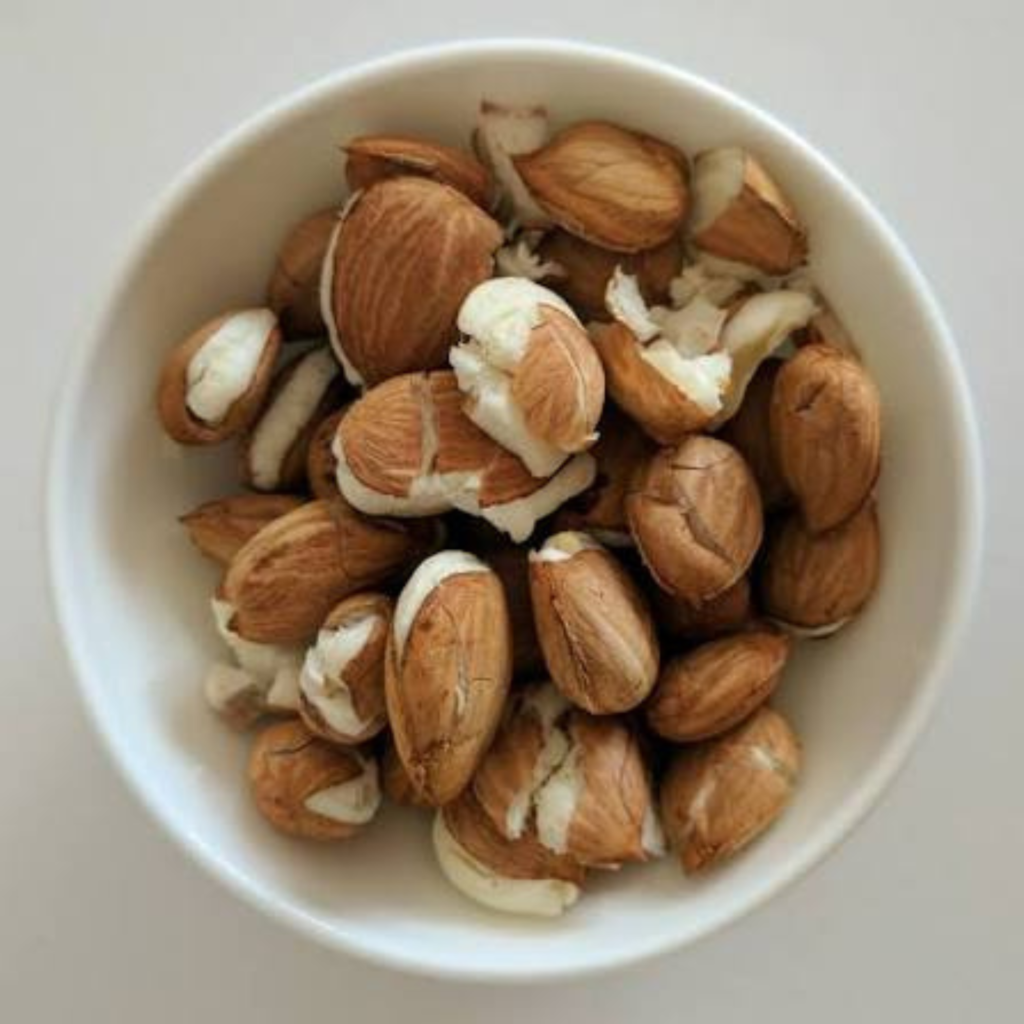
Like many seeds and nuts, apricot kernels naturally contain a variety of nutrients.
They may provide:
- Healthy fats
- Plant protein
- Dietary fiber
- Vitamin E
- Magnesium
- Phosphorus
- Iron
- Potassium
Because they are naturally nutrient-dense, apricot kernels are often appreciated as part of a varied and balanced diet.
However, nutritional values vary depending on:
- Growing conditions
- Variety
- Processing method
- Storage conditions
Always check the nutrition label provided by the manufacturer for accurate serving information.
Traditional Culinary Uses Around the World
Apricot kernels have been used in traditional cuisines for generations.
Some common culinary applications include:
Baking
Ground apricot kernels can be added to:
- Cakes
- Muffins
- Cookies
- Biscotti
- Pastries
Their naturally nutty flavor complements many baked goods.
Homemade Granola
Many people chop sweet apricot kernels and mix them into homemade granola alongside:
- Oats
- Pumpkin seeds
- Sunflower seeds
- Pecans
- Walnuts
- Dried fruit
This creates a crunchy breakfast topping with a unique flavor.
Smoothies
Some home cooks blend finely ground sweet apricot kernels into smoothies with ingredients such as:
- Bananas
- Berries
- Greek yogurt
- Oat milk
- Spinach
- Honey
The kernels contribute texture and a mild nutty taste.
Desserts
Apricot kernels are also incorporated into:
- Ice cream
- Puddings
- Custards
- Homemade chocolates
- Energy bites
- Fruit bars
Their subtle flavor pairs particularly well with chocolate, vanilla, cherries, peaches, and dried fruits.
How Are Apricot Kernels Harvested?
Quality begins long before the kernels reach your kitchen.
The harvesting process generally includes:
- Growing healthy apricot trees
- Allowing fruit to ripen naturally
- Harvesting during peak season
- Removing the fruit
- Washing and drying the pits
- Carefully cracking each shell
- Sorting kernels by quality
- Packaging under hygienic conditions
Reputable suppliers carefully inspect kernels for cleanliness, freshness, and consistency before shipment.
For customers in the United States, purchasing from a trusted supplier that offers fresh inventory and transparent product information can help ensure a positive buying experience.