Introduction
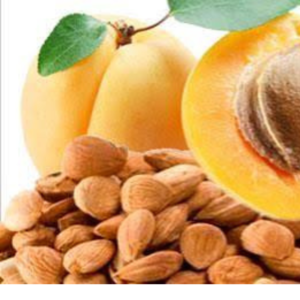
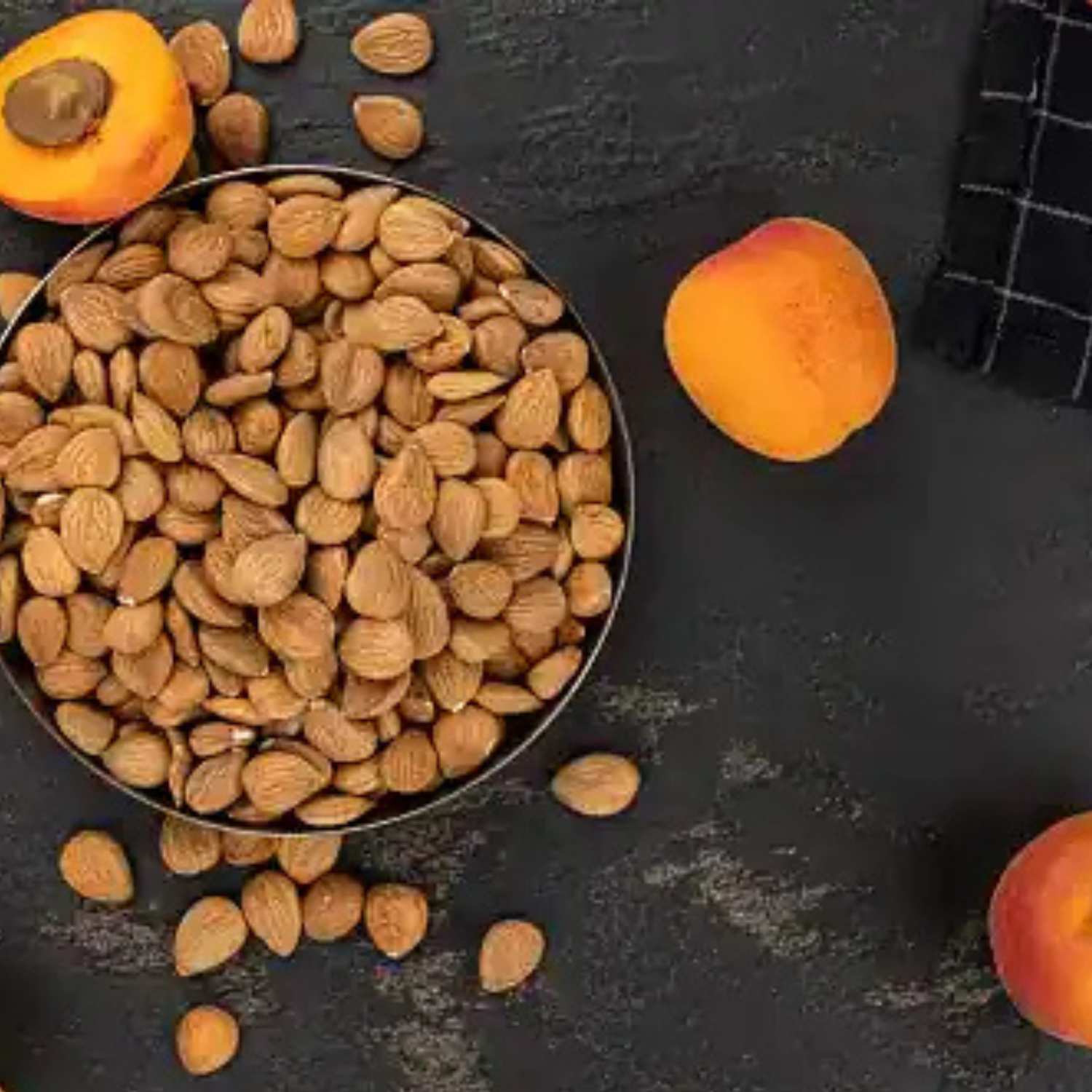
If you’ve ever cut open a fresh apricot and wondered what is hidden inside the hard pit at its center, you’ve already encountered the source of apricot kernels, But what are apricot kernels, exactly? Apricot kernels are the inner part found inside the hard stone or pit of an apricot fruit (Prunus armeniaca). They resemble small almonds and have been used in traditional food cultures for centuries. Depending on the variety, apricot kernels may have a mild, nutty flavor or a distinctly bitter taste.

Today, apricot kernels are attracting increasing attention from consumers around the world. People search for them for many different reasons. Some are curious about their nutritional value and want to learn whether they contain protein, healthy fats, fiber, vitamins, minerals, and antioxidants. Others are interested in using them as a unique ingredient in cooking, baking, smoothies, granola, salads, and homemade snacks. Apricot kernels are also used to produce apricot kernel oil, which has applications in food, cosmetics, skincare, massage products, and soap making.
The growing interest in natural and plant-based ingredients has also contributed to the popularity of apricot kernels. Consumers who enjoy exploring traditional foods and less familiar ingredients often want to understand where apricot kernels come from, how they are harvested and processed, what they taste like, and how they can be incorporated into everyday recipes.
However, apricot kernels are also a subject that requires careful attention to safety. Not all apricot kernels are the same. Sweet and bitter apricot kernels can differ significantly in taste, intended use, and safety considerations. Bitter varieties naturally contain compounds that can release cyanide when digested, making it important to understand the difference between varieties and to follow appropriate food safety guidance. This is one reason why anyone researching apricot kernels should look beyond simple claims about their nutritional or health benefits.
In this complete guide, we’ll explore everything you need to know about what are apricot kernels, from their origin and history to their nutritional profile and practical uses.
We’ll look at the nutrients naturally found in apricot kernels, including protein, healthy fats, fiber, vitamin E, magnesium, potassium, iron, phosphorus, and antioxidants. We’ll also examine potential health benefits while maintaining a balanced, evidence-based perspective and avoiding unsupported medical claims.
You’ll discover how apricot kernels are used in cooking, baking, smoothies, snacks, granola, salads, and oil production, as well as their applications in cosmetics, soap, and skincare. We’ll also explain what apricot kernels taste like and how sweet and bitter varieties compare.
Finally, this guide will cover practical information that can help you make informed purchasing decisions. You’ll learn how apricot kernels are harvested, how to store them properly, what to look for when buying high-quality products, and where you can find them online, in health food stores, from bulk suppliers, or through specialty producers.
Whether you’re completely new to apricot kernels or simply want to learn more about this versatile ingredient, this guide provides a comprehensive starting point for understanding their nutrition, benefits, uses, safety considerations, storage, and buying options.
Table of Contents
What Are Apricot Kernels?
If you’ve ever wondered what are apricot kernels, you’re not alone. These small, almond-like kernels have gained attention among home cooks, bakers, natural food enthusiasts, and people looking for nutrient-rich plant foods. Although they come from the same fruit as fresh apricots, the kernels are a completely different part of the plant and have their own unique taste, nutritional profile, and culinary uses.
Apricot kernels have been enjoyed for centuries in various cultures and are commonly used in baking, confectionery, traditional recipes, and the production of specialty oils. Today, they are available worldwide as a snack, cooking ingredient, and food product sold through specialty retailers and online stores.
Understanding exactly what apricot kernels are – and how they differ from the fruit, pit, and seed – is the first step toward making informed purchasing and culinary decisions.
Definition of Apricot Kernels
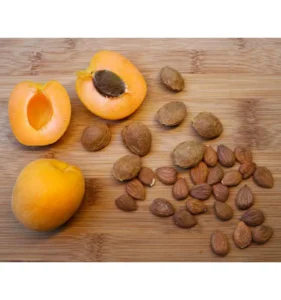
An apricot kernel is the edible inner part found inside the hard stone (also called the pit) of an apricot fruit. Botanically, the apricot tree (Prunus armeniaca) belongs to the rose family (Rosaceae), the same family as peaches, plums, cherries, and almonds.
When you eat a fresh apricot, you consume the sweet, juicy flesh surrounding a hard central stone. Inside that stone is a small kernel that resembles an almond in both shape and appearance. Depending on the variety of apricot, the kernel may taste mildly sweet or distinctly bitter.
Apricot kernels are harvested after the fruit is processed. The hard pit is cracked open to reveal the kernel inside, which is then cleaned, dried, and packaged for culinary or commercial use.
Key Characteristics of Apricot Kernels
- Found inside the hard pit of an apricot fruit.
- Small, oval-shaped, and cream-colored.
- Similar in appearance to a small almond.
- Available in both sweet and bitter varieties.
- Used in baking, cooking, confectionery, specialty foods, and oil production.
- Rich in healthy fats, plant protein, dietary fiber, and naturally occurring vitamins and minerals.
Where Do Apricot Kernels Come From?
Apricot kernels originate from the fruit of the apricot tree (Prunus armeniaca), a deciduous tree cultivated in many parts of the world. While the exact origin of apricots is debated, they have been grown for thousands of years across Central Asia, China, the Middle East, and the Mediterranean region before spreading to Europe and North America.
Today, commercial apricot production is concentrated in countries such as:
- Turkey
- Uzbekistan
- Iran
- Pakistan
- China
- Italy
- Spain
- United States (particularly California)
The journey from tree to kernel involves several stages:
- Apricots are harvested when the fruit reaches peak ripeness.
- The flesh is separated for fresh consumption or food processing.
- The hard pit is collected after the fruit is processed.
- The pit is mechanically or manually cracked open.
- The kernel is removed, cleaned, dried, and graded.
- The finished kernels are packaged for retail or wholesale distribution.
Because the kernels are protected by the hard pit, they remain well-preserved until extraction, helping maintain their quality during processing.
Understanding the Difference Between the Fruit, Pit, Seed, and Kernel
One of the biggest sources of confusion is the terminology. Many people use the words pit, seed, and kernel interchangeably, but they refer to different parts of the apricot.
| Part | Description |
|---|---|
| Apricot Fruit | The entire edible fruit, consisting of soft flesh surrounding a hard stone. |
| Pit (Stone) | The hard, woody shell located in the center of the fruit. It protects the seed inside. |
| Seed | The reproductive structure enclosed within the pit. In everyday language, people often refer to the kernel as the seed. |
| Kernel | The edible inner portion found after cracking open the pit. This is the part commonly sold as an apricot kernel. |
Think of it like this:
Apricot Fruit → Pit (Stone) → Seed → Kernel
In commercial food markets, the terms “apricot kernel” and “apricot seed” are often used interchangeably because consumers are usually referring to the edible inner portion. However, from a botanical perspective, the kernel is the edible part extracted from within the seed structure enclosed by the pit.
Understanding these distinctions helps consumers choose the right product and better understand product labels when shopping online or in specialty food stores.
A Brief History of Apricot Kernels
Apricots have been cultivated for more than 4,000 years and have played an important role in the cuisines and agricultural traditions of many civilizations. Historical records suggest that apricot trees were widely grown throughout Central Asia and China before spreading westward along ancient trade routes, including the Silk Road.
As apricot cultivation expanded into Persia, the Middle East, and the Mediterranean, people began using not only the fruit but also the kernels in traditional recipes. In several regions, sweet apricot kernels became a valued ingredient in baked goods, desserts, marzipan-style confections, biscuits, and pastries due to their mild nutty flavor.
Over time, apricot kernels also found applications beyond the kitchen. They have been used to produce specialty oils for culinary and cosmetic purposes, while the shells have been repurposed in crafts, abrasives, and industrial applications.
Today, apricot kernels are traded globally and are available in supermarkets, health food stores, specialty ingredient suppliers, and online retailers. Their versatility, unique flavor, and nutritional composition continue to make them a popular ingredient in a wide range of food products.
Why Learn About Apricot Kernels?
Knowing what are apricot kernels helps you better understand their origin, culinary uses, and the terminology commonly used on product labels. Whether you’re interested in baking, preparing homemade snacks, exploring specialty ingredients, or purchasing high-quality kernels online, understanding the basics will help you make informed choices.
In the next sections of this guide, we’ll explore the differences between sweet and bitter apricot kernels, their nutritional profile, common culinary uses, storage tips, buying considerations, and answers to frequently asked questions so you can confidently decide which type best suits your needs.
Apricot Kernel vs. Apricot Seed: Are They the Same?
One of the most frequently asked questions is whether apricot kernels and apricot seeds are the same thing. If you’ve searched online or browsed product listings, you’ve probably noticed that both terms are used interchangeably. This can be confusing, especially for first-time buyers.
The short answer is yes and no.
In everyday language and commercial food products, the terms “apricot kernel” and “apricot seed” usually refer to the same edible inner portion found inside an apricot pit. However, from a botanical perspective, there are subtle differences between the two terms.
Understanding these differences will help you read product labels more confidently and ensure you’re purchasing the product you intend to buy.
Are Apricot Kernels and Apricot Seeds the Same?
For most consumers, yes.
Whether a package is labeled “Apricot Kernels,” “Raw Apricot Kernels,” “Apricot Seeds,” or “Natural Apricot Seeds,” it is typically referring to the edible, almond-shaped inner portion that is removed after cracking open the hard pit of the apricot fruit.
This means that if you’re buying apricot kernels for baking, making homemade snacks, or adding to recipes, you’ll often find products marketed under either name.
From a practical shopping perspective, there is usually little difference between the two labels.
However, the scientific terminology tells a more detailed story.
Why Do People Use Both Terms?
The widespread use of both terms comes from a combination of everyday language, marketing practices, and translation differences.
1. Consumer Familiarity
Most people are familiar with the word “seed.” When they think about a fruit, they naturally refer to the part inside as the seed. As a result, many online retailers and manufacturers use the term apricot seed because it is instantly recognizable and aligns with common search behavior.
2. Food Industry Terminology
In the food industry, the word “kernel” is commonly used to describe the edible inner part of a seed or nut after its outer shell has been removed.
Examples include:
- Corn kernels
- Sunflower kernels
- Pumpkin seed kernels
- Almond kernels
- Apricot kernels
Using the word kernel helps distinguish the edible portion from the hard outer shell that surrounds it.
3. International Translation
Apricot kernels are traded globally, with major producers located in countries such as Turkey, Uzbekistan, Pakistan, Iran, and China. When product descriptions are translated into English, some suppliers choose the word seed, while others use kernel.
Because both terms have become widely accepted in international trade, consumers often encounter both names for essentially the same product.
4. Search Engine Optimization (SEO)
Another reason both terms are common is search behavior. Millions of people search online using phrases such as:
- apricot seeds
- apricot kernels
- raw apricot seeds
- bitter apricot kernels
- sweet apricot seeds
To reach a wider audience, many websites, retailers, and manufacturers include both terms in their product titles and descriptions. This helps shoppers find their products regardless of which phrase they use.
The Scientific Explanation
From a botanical standpoint, the structure of an apricot is more complex than many people realize.
The apricot belongs to a category of fruits known as drupes, or stone fruits. Other examples include peaches, plums, cherries, olives, and almonds.
A drupe consists of several distinct layers:
- Outer Skin (Exocarp) – The thin, smooth skin of the fruit.
- Flesh (Mesocarp) – The soft, edible portion that people commonly eat.
- Pit or Stone (Endocarp) – The hard, woody shell in the center of the fruit.
- Seed – The reproductive structure enclosed within the pit.
- Kernel – The edible inner part of the seed that becomes visible once the pit is cracked open.
This means that the kernel is contained within the seed, which is itself protected by the pit. In everyday conversation, however, people often use “seed” and “kernel” to refer to the same edible part.
Visual Breakdown
Apricot Fruit
│
├── Skin
├── Flesh
└── Hard Pit (Stone)
      │
      └── Seed
            │
            └── Edible Kernel
Understanding this structure explains why there is so much confusion around the terminology.
Which Term Is More Accurate?
Both terms are acceptable, but they are used in different contexts.
- Apricot Kernel is the preferred term in food processing, culinary applications, and ingredient labeling because it specifically refers to the edible inner portion.
- Apricot Seed is more commonly used in everyday language, online searches, and general consumer discussions.
For this reason, you’ll often see reputable manufacturers use both terms together, such as:
- Raw Apricot Kernels (Apricot Seeds)
- Sweet Apricot Kernels
- Natural Apricot Seed Kernels
This approach helps customers understand exactly what they are buying while also improving search visibility.
Does the Name Affect the Product?
No.
Whether the label says apricot kernel or apricot seed, what matters most is the product’s characteristics, including:
- Whether it is sweet or bitter.
- Its freshness and quality.
- Country of origin.
- Packaging and storage conditions.
- Whether it has been cleaned and properly processed.
- The reputation of the supplier.
These factors have a much greater impact on your purchasing decision than the wording used on the package.
Which Term Should You Use?
If you’re writing about food, recipes, baking, or specialty ingredients, apricot kernel is generally the more precise term because it refers specifically to the edible portion.
If you’re searching online, it’s helpful to use both terms since retailers and educational websites commonly optimize for both. This can help you find a wider range of products and information.
Throughout this guide, we primarily use the term apricot kernels because it is the preferred terminology for the edible ingredient discussed in culinary and food-related contexts. However, when appropriate, we also refer to apricot seeds to reflect common consumer language and search habits.
Learn More
Still wondering whether there is a real difference between the two terms? Explore our in-depth guide:
→ What Is the Difference Between Apricot Seeds and Apricot Kernels?
In that article, we take a closer look at the botanical definitions, food industry terminology, labeling practices, and common misconceptions to help you fully understand why both names are widely used.
Sweet vs. Bitter Apricot Kernels: What’s the Difference?
If you’re researching what are apricot kernels, one of the first distinctions you’ll come across is that they are generally classified as either sweet apricot kernels or bitter apricot kernels. Although they come from closely related varieties of apricot trees and look remarkably similar, they differ in flavor, common uses, and important safety considerations.
Knowing the difference can help you choose the right type for your intended use, whether you’re baking, preparing desserts, making homemade snacks, or purchasing apricot kernels for culinary purposes.
Sweet Apricot Kernels vs. Bitter Apricot Kernels at a Glance
| Feature | Sweet Apricot Kernels | Bitter Apricot Kernels |
|---|---|---|
| Flavor | Mild, nutty, slightly sweet | Distinctly bitter |
| Appearance | Cream-colored, almond-like | Very similar in appearance |
| Common Uses | Snacks, baking, granola, cereals, salads, smoothies | Flavoring, specialty confectionery, extracts, some traditional recipes (subject to local regulations) |
| Texture | Crisp with a soft crunch | Crisp with a similar texture |
| Availability | Widely sold as a food ingredient | Availability varies by country and may be restricted for food use in some places |
| Best For | Everyday culinary applications | Specialized culinary or industrial uses, depending on local regulations |
Appearance
At first glance, it is almost impossible for most people to distinguish between sweet and bitter apricot kernels.
Both varieties are:
- Small and oval-shaped
- Cream to light beige in color
- Similar in size to small almonds
- Covered by a thin brown skin that may or may not be removed during processing
- Smooth with pointed ends
Because they look nearly identical, appearance alone is not a reliable way to identify whether a kernel is sweet or bitter. Reputable suppliers usually specify the variety on the product label.
Taste
The most noticeable difference between the two varieties is their flavor.
Sweet Apricot Kernels
Sweet apricot kernels have a mild, pleasant, nutty taste that many people compare to almonds. They are often enjoyed on their own or added to recipes where they provide a subtle crunch and delicate flavor.
Their taste makes them suitable for:
- Homemade trail mixes
- Granola
- Breakfast cereals
- Smoothie bowls
- Salads
- Cookies
- Cakes
- Energy bites
- Nut and seed blends
Bitter Apricot Kernels
Bitter apricot kernels have a much stronger flavor with a pronounced bitterness. Because of this intense taste, they are generally not eaten like snack foods.
Instead, they have traditionally been used in very small quantities as a flavoring ingredient in certain regional recipes. Their distinctive flavor has also been used to produce extracts and specialty ingredients that contribute an almond-like aroma to baked goods and confectionery.
Common Uses
Although both varieties come from apricot trees, they are typically used in different ways.
Common Uses of Sweet Apricot Kernels
Sweet kernels are popular as a food ingredient because of their mild flavor and versatility.
They are commonly used in:
- Baking breads and muffins
- Cookies and biscuits
- Cakes and pastries
- Homemade granola
- Breakfast cereals
- Smoothies
- Yogurt toppings
- Salads
- Plant-based snack mixes
- Nut butter blends
- Homemade energy bars
Some manufacturers also press sweet kernels to produce apricot kernel oil, which is used in cooking and cosmetic products.
Common Uses of Bitter Apricot Kernels
Bitter kernels are generally associated with specialized applications rather than everyday snacking.
Depending on local regulations and food traditions, they may be used for:
- Flavoring traditional desserts
- Producing almond-like extracts
- Specialty confectionery
- Certain regional baked goods
- Cosmetic and personal care products
- Production of apricot kernel oil for non-food applications
Availability and permitted uses differ between countries, so consumers should always follow local regulations and product labeling.
Nutrition
Both sweet and bitter apricot kernels share many of the same basic nutrients because they originate from the same type of fruit.
They naturally contain:
- Healthy unsaturated fats
- Plant protein
- Dietary fiber
- Vitamin E
- Magnesium
- Phosphorus
- Potassium
- Iron
- Naturally occurring antioxidants
The exact nutritional composition varies depending on factors such as:
- Apricot variety
- Growing conditions
- Climate
- Soil quality
- Harvest timing
- Processing methods
From a nutritional standpoint, sweet and bitter kernels are broadly similar. However, the compounds responsible for their different flavors distinguish the two varieties in important ways.
Safety Considerations
While sweet and bitter apricot kernels may appear almost identical, they are not interchangeable.
Bitter apricot kernels naturally contain much higher levels of compounds that can release cyanide when digested. Because of this, consuming bitter kernels in significant amounts can pose a health risk.
Food safety authorities in several countries have issued guidance advising consumers to limit or avoid eating bitter apricot kernels, particularly for children. Regulations on the sale and labeling of bitter kernels vary around the world.
Sweet apricot kernels generally contain much lower levels of these compounds than bitter varieties. However, as with any food, it is sensible to:
- Purchase products from reputable suppliers.
- Read product labels carefully.
- Follow any preparation or serving instructions provided by the manufacturer.
- Avoid assuming that all apricot kernels are the same.
- Keep products out of reach of young children unless they are intended for them.
If you are unsure whether a product contains sweet or bitter apricot kernels, contact the seller or manufacturer before consuming it.
Which Type Should You Choose?
For most home cooks and food enthusiasts, sweet apricot kernels are the preferred choice because of their pleasant flavor and versatility. They can be incorporated into a wide variety of recipes, from baked goods and cereals to salads and snack mixes.
Bitter apricot kernels, on the other hand, are more commonly associated with specialized culinary traditions and industrial applications. Because they require greater caution and are subject to different regulations in different countries, it is important to understand exactly which type you are purchasing.
Checking the product description, ingredient list, and supplier information before buying can help ensure you receive the variety that best matches your intended use.
Key Takeaways
Although sweet and bitter apricot kernels look almost identical, they differ in several important ways:
- Appearance: Nearly identical and difficult to distinguish visually.
- Taste: Sweet kernels are mild and nutty, while bitter kernels have a pronounced bitter flavor.
- Uses: Sweet kernels are commonly used in everyday recipes; bitter kernels are generally reserved for specialized culinary or industrial applications.
- Nutrition: Both provide healthy fats, plant protein, fiber, vitamin E, and essential minerals, though their exact composition varies.
- Safety: Bitter apricot kernels contain much higher levels of naturally occurring compounds that can release cyanide, making correct identification and responsible use especially important.
Understanding these differences will help you choose the right product for your needs and make more informed purchasing decisions.
Apricot Kernel Nutrition Facts
One of the main reasons people search for what are apricot kernels is to learn about their nutritional value. Although apricot kernels are small, they contain a variety of naturally occurring nutrients that contribute to their unique nutritional profile.
Like many nuts and edible seeds, apricot kernels provide healthy fats, plant-based protein, dietary fiber, vitamins, minerals, and naturally occurring antioxidants. The exact nutrient composition varies depending on factors such as the apricot variety, soil conditions, climate, harvest maturity, and processing methods.
Because of these natural variations, nutritional values may differ slightly between brands and growing regions. Always refer to the Nutrition Facts label on the specific product you purchase for the most accurate information.
Nutrition Overview
Apricot kernels are generally recognized as a source of:
| Nutrient | Why It Matters |
|---|---|
| Protein | Helps build and maintain muscles, bones, skin, and other body tissues. |
| Healthy Fats | Primarily unsaturated fats that contribute to the kernel’s rich texture and are an important part of a balanced diet. |
| Dietary Fiber | Supports normal digestion and contributes to overall dietary fiber intake. |
| Vitamin E | An antioxidant vitamin that helps protect cells from oxidative stress. |
| Magnesium | Plays a role in normal muscle and nerve function, energy production, and bone health. |
| Potassium | Helps maintain normal fluid balance and supports healthy muscle and nerve function. |
| Iron | Essential for the production of red blood cells and oxygen transport throughout the body. |
| Phosphorus | Works together with calcium to help maintain healthy bones and teeth while supporting energy metabolism. |
| Naturally Occurring Antioxidants | Plant compounds that help protect cells from damage caused by free radicals. |
Protein
Apricot kernels contain plant-based protein, making them a nutritious addition to a balanced eating pattern. Protein is one of the body’s essential macronutrients and is needed to build, repair, and maintain tissues.
Protein contributes to many important functions, including:
- Supporting muscle maintenance
- Building skin, hair, and nails
- Producing enzymes and hormones
- Supporting normal immune function
- Helping maintain healthy bones
Although apricot kernels are not as high in protein as some legumes or soy products, they can still contribute to your daily protein intake when eaten as part of a varied diet.
Healthy Fats
One of the defining nutritional characteristics of apricot kernels is their healthy fat content.
Most of the fat found in apricot kernels consists of unsaturated fats, including monounsaturated and polyunsaturated fatty acids. These fats are similar to those found in almonds and several other tree nuts.
Healthy fats serve many important roles in the body, including:
- Providing a concentrated source of energy
- Supporting cell structure
- Helping the body absorb fat-soluble vitamins such as vitamins A, D, E, and K
- Contributing to the smooth, creamy texture of foods
These naturally occurring oils are also why apricot kernels are used to produce apricot kernel oil, which is popular in both culinary and cosmetic applications.
Dietary Fiber
Apricot kernels naturally contain dietary fiber, an important nutrient that many people do not consume in sufficient amounts.
Fiber supports:
- Normal digestive function
- Regular bowel movements
- Feelings of fullness after eating
- Overall gut health as part of a balanced diet
Including a variety of fiber-rich foods—including fruits, vegetables, legumes, whole grains, nuts, and edible seeds—can help support overall digestive wellness.
Vitamin E
Apricot kernels are a natural source of vitamin E, one of the body’s most important antioxidant vitamins.
Vitamin E helps:
- Protect cells from oxidative stress
- Support normal immune function
- Maintain healthy skin
- Protect cell membranes throughout the body
Because vitamin E is fat-soluble, the healthy fats naturally present in apricot kernels also help with its absorption.
Magnesium
Magnesium is an essential mineral involved in hundreds of biochemical reactions within the body.
It contributes to:
- Normal muscle function
- Healthy nerve function
- Energy production
- Bone health
- Protein synthesis
Like many nuts and seeds, apricot kernels can contribute magnesium to a balanced diet.
Potassium
Potassium is an important electrolyte that helps regulate fluid balance throughout the body.
It also supports:
- Normal muscle contraction
- Healthy nerve signaling
- Proper hydration
- Normal cellular function
A balanced diet that includes potassium-rich foods is an important part of overall nutritional wellness.
Iron
Iron is an essential mineral needed to produce hemoglobin, the protein in red blood cells responsible for carrying oxygen throughout the body.
Iron helps support:
- Oxygen transport
- Energy metabolism
- Normal cognitive function
- Red blood cell production
Plant-based sources of iron, including apricot kernels, are best consumed as part of a varied diet that includes foods naturally rich in vitamin C, which can enhance iron absorption.
Phosphorus
Phosphorus is the second most abundant mineral in the human body after calcium.
It contributes to:
- Healthy bones and teeth
- Energy production
- Cell growth and repair
- Normal functioning of cell membranes
Working together with calcium and magnesium, phosphorus plays an important role in maintaining skeletal health.
Naturally Occurring Antioxidants
Apricot kernels contain naturally occurring plant antioxidants, including vitamin E and other bioactive compounds.
Antioxidants help:
- Neutralize free radicals
- Protect cells from oxidative stress
- Support overall health as part of a balanced dietary pattern
Many plant foods—including fruits, vegetables, nuts, seeds, herbs, and whole grains—contain antioxidants, making dietary variety an important aspect of healthy eating.
Nutritional Values Can Vary
No two batches of apricot kernels are exactly alike. Their nutritional composition may vary due to factors such as:
- Sweet or bitter variety
- Geographic origin
- Climate and weather
- Soil quality
- Agricultural practices
- Harvest timing
- Drying and processing methods
- Storage conditions
For this reason, the Nutrition Facts panel printed on the product packaging should always be considered the most accurate source for nutrient values.
Are Apricot Kernels a Nutritious Food?
When consumed as part of a balanced and varied diet, apricot kernels provide a combination of:
- Plant-based protein
- Healthy unsaturated fats
- Dietary fiber
- Vitamin E
- Essential minerals such as magnesium, potassium, iron, and phosphorus
- Naturally occurring antioxidants
Their nutrient density makes them a versatile ingredient for recipes such as homemade granola, trail mixes, baked goods, salads, yogurt toppings, and smoothies.
In the next section, we’ll explore the potential health benefits associated with the nutrients found in apricot kernels and how they may contribute to an overall healthy eating pattern.
Health Benefits of Apricot Kernels
One of the most common reasons people search what are apricot kernels is to learn about their potential health benefits. Apricot kernels contain a variety of nutrients – including healthy fats, plant protein, dietary fiber, vitamin E, essential minerals, and naturally occurring antioxidants – that can contribute to a balanced diet.
It’s important to understand, however, that no single food can provide all the nutrients your body needs or prevent or cure disease. The health value of apricot kernels comes from the nutrients they contain and the role those nutrients play as part of an overall healthy eating pattern.
Below, we explore the key nutritional components of apricot kernels and the benefits they may offer when consumed responsibly.
Healthy Fats
Apricot kernels are naturally rich in unsaturated fats, including monounsaturated and polyunsaturated fatty acids. These are the same general types of fats found in many nuts and seeds.
Healthy fats play several important roles in the body:
- Provide a concentrated source of energy.
- Help build and maintain healthy cell membranes.
- Support the absorption of fat-soluble vitamins such as vitamins A, D, E, and K.
- Contribute to normal hormone production.
- Add flavor and satiety to meals.
Replacing some saturated fats with unsaturated fats, as recommended by many dietary guidelines, can be part of an overall heart-conscious eating pattern.
Plant-Based Protein
Protein is one of the body’s essential macronutrients, and apricot kernels provide a modest amount of plant-based protein.
Protein helps support:
- Growth and maintenance of muscle tissue.
- Repair of body tissues.
- Production of enzymes and hormones.
- Healthy skin, hair, and nails.
- Normal immune function.
Although apricot kernels should not be considered a primary protein source, they can contribute to daily protein intake when combined with other protein-rich foods such as legumes, dairy products, fish, eggs, poultry, tofu, or other nuts and seeds.
Dietary Fiber
Dietary fiber is an important part of a healthy diet, and apricot kernels naturally contain fiber.
Fiber contributes to:
- Healthy digestion.
- Regular bowel movements.
- Increased feelings of fullness after eating.
- Overall gut health as part of a balanced dietary pattern.
Most adults do not consume enough dietary fiber, so including a variety of fiber-containing foods – including fruits, vegetables, whole grains, legumes, nuts, and seeds – can help improve overall dietary quality.
Naturally Occurring Antioxidants
Apricot kernels contain naturally occurring antioxidants, including vitamin E and other plant compounds.
Antioxidants help protect cells from oxidative stress, a normal process that occurs when free radicals are produced during metabolism and through exposure to environmental factors such as pollution and ultraviolet (UV) light.
A diet rich in antioxidant-containing plant foods is associated with overall dietary quality, which is why health experts encourage eating a wide variety of fruits, vegetables, nuts, seeds, and whole grains.
Vitamin E
Vitamin E is one of the standout nutrients found in apricot kernels.
As a fat-soluble vitamin, vitamin E helps:
- Protect cell membranes from oxidative damage.
- Support normal immune function.
- Maintain healthy skin.
- Contribute to normal cellular function.
Because apricot kernels naturally contain both vitamin E and healthy fats, the body is well positioned to absorb this vitamin as part of a balanced meal.
Supporting Heart Health Through a Balanced Diet
The nutrients found in apricot kernels may contribute to an eating pattern that supports normal cardiovascular health.
For example:
- Unsaturated fats are generally considered a healthier alternative to saturated fats when used as part of a balanced diet.
- Fiber contributes to overall dietary quality.
- Magnesium and potassium support normal muscle and nerve function, including the normal function of the heart.
- Antioxidants help protect cells from oxidative stress.
It’s important to note that eating apricot kernels alone has not been proven to prevent or treat heart disease. Heart health depends on many lifestyle factors, including:
- A balanced diet.
- Regular physical activity.
- Maintaining a healthy body weight.
- Not smoking.
- Managing blood pressure, cholesterol, and blood sugar when appropriate.
- Getting adequate sleep.
Apricot kernels can be one component of a varied, nutrient-rich diet, but they are not a substitute for these broader healthy habits.
Supporting Skin Health
Healthy skin depends on many factors, including genetics, hydration, sun protection, sleep, and overall nutrition.
Apricot kernels provide nutrients that play supportive roles in skin health:
Vitamin E
Vitamin E helps protect skin cells from oxidative stress and contributes to the maintenance of normal skin.
Healthy Fats
Healthy fats help maintain the skin’s natural barrier, which supports moisture retention and overall skin function.
Plant Nutrients
The naturally occurring antioxidants found in apricot kernels complement the antioxidants obtained from fruits and vegetables, contributing to a varied diet that supports overall wellness.
In addition to being consumed as food, apricot kernel oil is widely used in skincare products because of its light texture and moisturizing properties. Cosmetic uses, however, differ from the nutritional benefits of eating apricot kernels.
Supporting General Wellness
No single food determines your health, but nutrient-dense foods can help improve the overall quality of your diet.
When enjoyed in moderation as part of a varied eating pattern, apricot kernels contribute:
- Healthy fats.
- Plant-based protein.
- Dietary fiber.
- Vitamin E.
- Essential minerals.
- Naturally occurring antioxidants.
These nutrients work alongside those from other wholesome foods—including vegetables, fruits, legumes, whole grains, lean proteins, and healthy oils—to support normal body functions and overall well-being.
Rather than focusing on “superfoods,” most nutrition experts recommend emphasizing a diverse, balanced diet that includes a wide variety of minimally processed foods.
What Does the Scientific Evidence Say?
Interest in apricot kernels has led to scientific research exploring their nutritional composition and naturally occurring compounds. However, it’s important to distinguish between laboratory research, animal studies, and high-quality human clinical evidence.
At present:
- Apricot kernels are recognized as a source of several beneficial nutrients.
- More research is needed to better understand the effects of specific compounds found in apricot kernels on human health.
- Claims that apricot kernels can prevent, treat, or cure serious diseases are not supported by strong clinical evidence.
When evaluating health information online, it’s always best to rely on reputable scientific organizations, healthcare professionals, and peer-reviewed research rather than anecdotal testimonials.
Important Safety Considerations
Not all apricot kernels are the same.
Bitter apricot kernels naturally contain much higher levels of compounds that can release cyanide during digestion than sweet apricot kernels. Because of this, food safety authorities in several countries advise consumers to limit or avoid eating bitter apricot kernels, particularly children.
To help ensure safe consumption:
- Buy products from reputable suppliers.
- Check whether the kernels are labeled sweet or bitter.
- Follow any usage or serving guidance provided on the packaging.
- Keep products out of reach of young children unless specifically intended for them.
- If you have questions about whether a food is appropriate for your dietary needs, consult a qualified healthcare professional.
Key Takeaways
Apricot kernels can be a nutritious addition to a balanced diet thanks to their naturally occurring:
- Healthy unsaturated fats.
- Plant-based protein.
- Dietary fiber.
- Vitamin E.
- Magnesium, potassium, iron, and phosphorus.
- Antioxidants.
These nutrients support normal body functions and contribute to overall dietary quality. However, apricot kernels should be viewed as one component of a healthy lifestyle – not a miracle food or a medical treatment.
Choosing high-quality products, understanding the difference between sweet and bitter varieties, and enjoying them responsibly are the best ways to incorporate apricot kernels into your diet.
Why Are Apricot Kernels So Popular?
If you’ve been researching what are apricot kernels, you may have noticed that they have attracted growing interest in recent years. From gourmet kitchens and artisanal bakeries to natural skincare products and specialty food stores, apricot kernels have found their way into a surprising variety of industries.
Their popularity isn’t driven by a single factor. Instead, it comes from a combination of their unique flavor, nutritional profile, versatility, and long history of use in different cultures. While some people enjoy them as a culinary ingredient, others appreciate their role in traditional food practices, cosmetic formulations, or the production of high-quality plant oils.
Let’s explore the main reasons why apricot kernels continue to be popular worldwide.
1. A Long History of Traditional Use
Apricot kernels have been used for centuries in many parts of Asia, the Middle East, and the Mediterranean. Long before modern food processing, people discovered that the edible kernel inside the apricot pit could be used in a variety of traditional recipes.
Historically, sweet apricot kernels were incorporated into:
- Homemade pastries
- Biscuits and cookies
- Traditional desserts
- Marzipan-style confections
- Festival sweets
- Regional baked goods
In many apricot-growing regions, using the entire fruit – including the kernels – helped minimize food waste and made full use of the harvest.
Traditional uses vary from one culture to another, reflecting local ingredients, culinary customs, and family recipes passed down through generations.
2. Their Versatility in the Kitchen
One of the biggest reasons for the popularity of sweet apricot kernels is their versatility as a food ingredient.
Their mild, nutty flavor and pleasant crunch make them suitable for both sweet and savory recipes. Many home cooks enjoy experimenting with apricot kernels as an alternative to almonds or other nuts in certain dishes.
Popular culinary uses include:
- Baking cakes and muffins
- Cookies and biscuits
- Homemade granola
- Trail mixes
- Breakfast cereals
- Yogurt toppings
- Smoothie bowls
- Green salads
- Fruit salads
- Energy balls
- Snack bars
- Homemade nut blends
Some chefs also chop or lightly toast sweet apricot kernels to enhance their flavor before adding them to recipes.
Because they pair well with ingredients such as honey, oats, dried fruits, cinnamon, vanilla, chocolate, and citrus, apricot kernels are a versatile addition to many modern kitchens.
3. Growing Interest in Nutrient-Dense Foods
Consumers today are paying closer attention to the nutritional quality of the foods they eat. Many people actively seek foods that naturally provide healthy fats, plant protein, dietary fiber, vitamins, and minerals.
Apricot kernels fit into this trend because they contain:
- Healthy unsaturated fats
- Plant-based protein
- Dietary fiber
- Vitamin E
- Magnesium
- Potassium
- Iron
- Phosphorus
- Naturally occurring antioxidants
Rather than being viewed as a “superfood,” apricot kernels are increasingly appreciated as one of many nutrient-rich plant foods that can contribute to a balanced and varied diet.
4. Interest Within Natural Living Communities
Apricot kernels have also attracted attention among people interested in natural living, minimally processed foods, and traditional ingredients.
Many individuals who follow plant-forward or whole-food lifestyles enjoy experimenting with a wide variety of nuts, seeds, grains, legumes, herbs, and edible kernels. Within these communities, apricot kernels are often valued for their:
- Natural origin
- Culinary versatility
- Distinctive flavor
- Nutritional profile
- Traditional food heritage
It’s important to note, however, that interest within natural living communities does not necessarily mean that all claims made about apricot kernels are supported by scientific evidence. When evaluating health-related information, consumers should rely on reputable sources and evidence-based guidance rather than anecdotal reports or unverified online claims.
5. Popular Ingredient in the Cosmetic Industry
Beyond the kitchen, apricot kernels have become an important raw material for the beauty and personal care industry.
Both the kernels and the oil extracted from them are used in a wide variety of cosmetic products because of their light texture and naturally occurring fatty acids.
Common cosmetic applications include:
- Facial oils
- Body oils
- Moisturizers
- Massage oils
- Lip balms
- Hand creams
- Hair conditioners
- Shampoos
- Soaps
- Cleansing balms
- Body lotions
Finely ground apricot kernel shells are also used as a natural exfoliating ingredient in certain facial and body scrubs, although many modern formulations now use gentler alternatives depending on the intended application.
The popularity of apricot kernel-derived ingredients in cosmetics reflects their versatility rather than any unique medicinal properties.
6. High-Quality Apricot Kernel Oil
Another major reason for the popularity of apricot kernels is the production of apricot kernel oil.
After the kernels are harvested and cleaned, they can be mechanically pressed to extract a light golden oil with a mild aroma.
Depending on the manufacturing process, apricot kernel oil may be used for:
Culinary Uses
Food-grade apricot kernel oil is appreciated for its delicate flavor and is sometimes used in:
- Salad dressings
- Marinades
- Finishing oils
- Specialty recipes
- Gourmet cooking
Cosmetic Uses
The majority of commercially produced apricot kernel oil is used in personal care products because it:
- Spreads easily on the skin.
- Absorbs relatively quickly.
- Leaves a light, non-greasy feel.
- Blends well with other plant oils.
Its versatility has made it a favorite ingredient among manufacturers of natural-inspired skincare and massage products.
7. Increasing Availability Through Online Retail
In the past, apricot kernels were often available only in regions where apricots were grown. Today, global e-commerce has made them accessible to consumers around the world.
You can now purchase apricot kernels through:
- Online specialty food stores
- Health food retailers
- Gourmet ingredient suppliers
- Organic food shops
- Bulk food distributors
- International marketplaces
Many retailers also offer different options, including:
- Sweet apricot kernels
- Bitter apricot kernels (where permitted)
- Organic varieties
- Raw kernels
- Roasted kernels
- Bulk packaging
- Wholesale quantities
This wider availability has contributed significantly to their growing popularity among home cooks, food enthusiasts, and specialty ingredient buyers.
8. Sustainable Use of the Whole Apricot
Another reason apricot kernels have gained attention is their contribution to more sustainable food production.
Instead of discarding the pit after processing the fruit, manufacturers can recover the edible kernel for use in food products or oil production. Other parts of the pit may also be repurposed for industrial, agricultural, or manufacturing applications.
This approach helps maximize the value of the apricot harvest and supports efforts to reduce unnecessary waste by making use of more parts of the fruit.
Why Their Popularity Continues to Grow
Apricot kernels remain popular because they offer a unique combination of qualities:
- A long history of traditional culinary use.
- A mild, nutty flavor that works well in many recipes.
- A source of healthy fats, plant protein, fiber, vitamin E, and essential minerals.
- Versatility in baking, cooking, and snack preparation.
- Valuable applications in cosmetics and personal care products.
- The production of premium apricot kernel oil.
- Greater availability through online retailers and specialty food stores.
- Sustainable use of an ingredient that was once often discarded.
As consumer interest in specialty foods and plant-based ingredients continues to grow, apricot kernels are likely to remain a popular choice for both culinary and non-culinary applications.
In the next section, we’ll look at the many practical ways apricot kernels are used in everyday cooking, baking, and food preparation.
Common Uses of Apricot Kernels
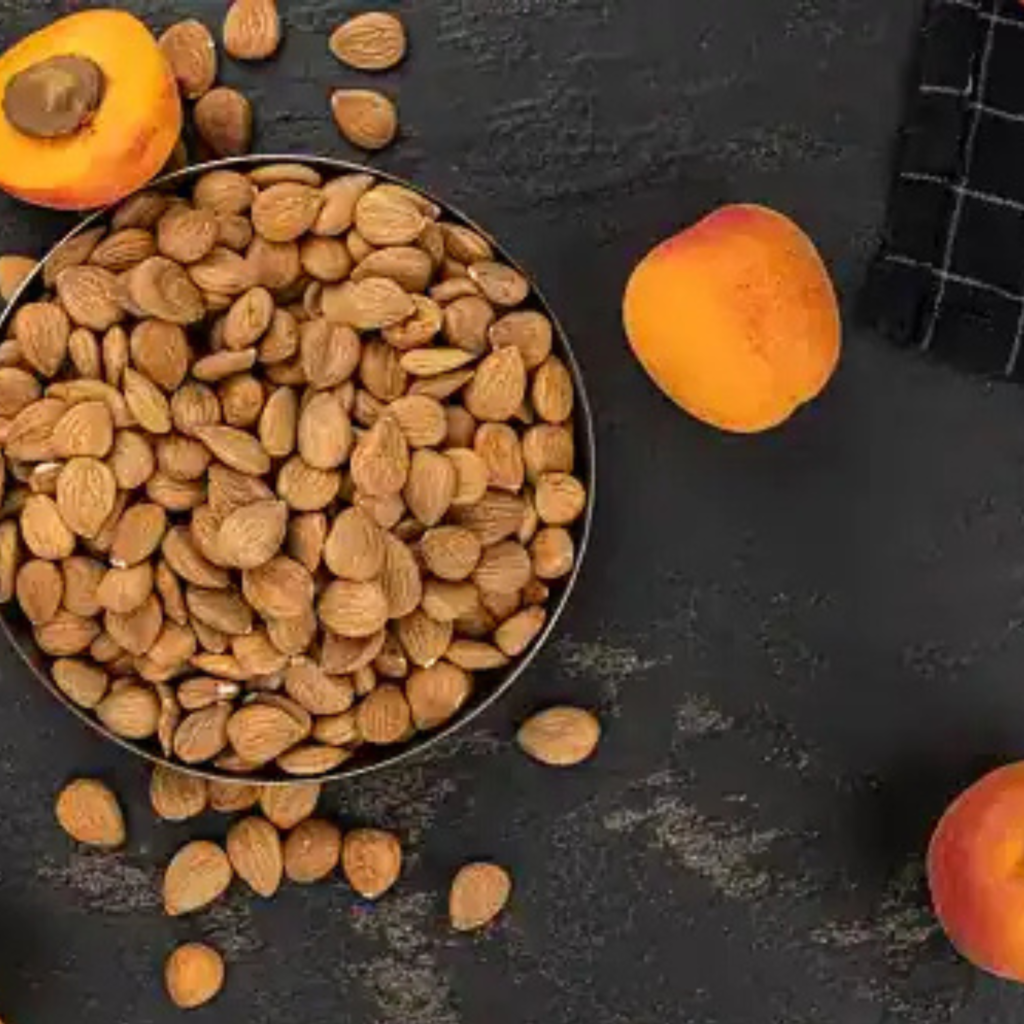
One of the reasons apricot kernels have remained popular for centuries is their remarkable versatility. While many people first discover them as a nutritious food ingredient, their uses extend far beyond the kitchen. Today, apricot kernels are found in homemade recipes, gourmet foods, specialty oils, skincare products, soaps, and cosmetics.
Whether you’re a home cook, baker, or someone interested in natural personal care products, understanding the many uses of apricot kernels can help you get the most from this unique ingredient.
Cooking
Sweet apricot kernels are a versatile ingredient that can add a mild nutty flavor and satisfying crunch to many everyday dishes.
Depending on the recipe, they can be enjoyed whole, chopped, sliced, or lightly toasted.
Common cooking applications include:
- Stirring into oatmeal or porridge
- Mixing into rice or grain bowls
- Adding to vegetable dishes
- Topping roasted vegetables
- Mixing into homemade stuffing
- Incorporating into plant-based recipes
- Garnishing soups for added texture
- Blending into homemade sauces and spreads
Because their flavor is relatively delicate, apricot kernels pair well with herbs, spices, dried fruits, honey, citrus, cinnamon, and vanilla.
Baking
Baking is one of the most popular ways to use sweet apricot kernels.
Their mild almond-like taste makes them an excellent addition to both traditional and modern baked goods.
They are commonly used in:
- Cakes
- Muffins
- Cookies
- Biscuits
- Brownies
- Bread
- Scones
- Biscotti
- Tarts
- Fruit crumbles
- Pastries
- Homemade crackers
Some recipes use finely ground apricot kernels as part of the dry ingredients, while others sprinkle chopped kernels over the top before baking to create additional texture.
Smoothies
Apricot kernels can also be incorporated into smoothies when appropriate for the recipe and according to the product’s usage guidance.
They are often blended with ingredients such as:
- Bananas
- Berries
- Mangoes
- Spinach
- Kale
- Greek yogurt
- Plant-based milk
- Oats
- Chia seeds
- Flaxseeds
Because apricot kernels have a mild flavor, they usually complement other smoothie ingredients without overpowering them.
Many people enjoy combining them with fruit-based smoothies for added texture and variety.
Snacks
Sweet apricot kernels are frequently enjoyed as a convenient snack.
They can be eaten on their own or combined with other wholesome ingredients to create satisfying snack mixes.
Popular combinations include:
- Almonds
- Cashews
- Walnuts
- Pistachios
- Pumpkin seeds
- Sunflower seeds
- Raisins
- Cranberries
- Dried apricots
- Dark chocolate pieces
For people who enjoy homemade trail mixes, apricot kernels provide another option alongside traditional nuts and seeds.
Granola
Homemade granola is another excellent way to enjoy apricot kernels.
Chopped kernels can be mixed with ingredients such as:
- Rolled oats
- Honey or maple syrup
- Coconut flakes
- Pumpkin seeds
- Sunflower seeds
- Almonds
- Pecans
- Cinnamon
- Vanilla
- Dried fruits
Once baked until lightly golden, the granola can be served with:
- Milk
- Yogurt
- Fresh fruit
- Smoothie bowls
Their crunchy texture makes apricot kernels a natural addition to breakfast recipes.
Salads
Apricot kernels can add texture and a pleasant nutty flavor to both fruit and vegetable salads.
Some popular combinations include:
Green Salads
- Mixed greens
- Spinach
- Arugula
- Kale
- Cucumbers
- Cherry tomatoes
- Goat cheese
- Feta cheese
Fruit Salads
- Fresh apricots
- Apples
- Pears
- Grapes
- Blueberries
- Strawberries
- Oranges
Grain Salads
- Quinoa
- Couscous
- Brown rice
- Barley
- Wild rice
Lightly toasted chopped apricot kernels can provide an appealing finishing touch that enhances both texture and presentation.
Apricot Kernel Oil
One of the most valuable products derived from apricot kernels is apricot kernel oil.
After the kernels are cleaned and processed, they can be mechanically pressed to produce a light, golden-colored oil.
Food-grade apricot kernel oil is used in:
- Salad dressings
- Marinades
- Gourmet cooking
- Finishing oils
- Homemade vinaigrettes
Its mild flavor allows it to complement a variety of dishes without overwhelming other ingredients.
In addition to culinary uses, apricot kernel oil is widely used in personal care products because of its lightweight texture and emollient properties.
Cosmetics
Apricot kernel oil is a popular ingredient in the cosmetic industry.
Manufacturers include it in many beauty products because it spreads easily, absorbs well, and blends effectively with other plant oils.
Products that commonly contain apricot kernel oil include:
- Facial serums
- Body oils
- Moisturizers
- Lip balms
- Massage oils
- Hair conditioners
- Beard oils
- Cuticle oils
- Body lotions
Its versatility has made it a staple ingredient in many natural-inspired cosmetic formulations.
Soap Making
Apricot kernel oil is also used by both commercial manufacturers and artisan soap makers.
It can be incorporated into:
- Handmade soap bars
- Liquid soaps
- Moisturizing cleansers
- Specialty soaps
- Luxury bath products
Some soap makers also use finely ground apricot kernel shells as a gentle exfoliating ingredient in certain products, depending on the intended formulation.
Skincare
Among personal care applications, skincare is perhaps the area where apricot kernel oil is most widely recognized.
It is commonly included in products designed to:
- Moisturize the skin
- Soften rough areas
- Improve the feel of creams and lotions
- Enhance massage oils
- Support the skin’s natural moisture barrier through its emollient properties
Because of its light consistency, apricot kernel oil is often chosen for products intended to leave the skin feeling soft without an overly greasy finish.
It’s important to remember that cosmetic uses differ from nutritional benefits. While apricot kernel oil is a valued skincare ingredient, cosmetic products are intended for external use and should always be used according to the manufacturer’s instructions.
A Versatile Ingredient for Everyday Life
Few plant-based ingredients offer the same range of applications as apricot kernels.
They can be used in:
- Everyday cooking
- Baking recipes
- Smoothies
- Homemade snacks
- Granola
- Fresh salads
- Gourmet oils
- Cosmetics
- Handmade soaps
- Skincare products
This versatility is one of the reasons apricot kernels continue to attract interest from home cooks, food manufacturers, cosmetic companies, and consumers looking for high-quality plant-derived ingredients.
Whether you’re experimenting with new recipes or exploring natural skincare products, apricot kernels and apricot kernel oil offer a wide range of practical applications that extend well beyond the fruit itself.
How Do Apricot Kernels Taste?
One of the first questions many people ask after learning what are apricot kernels is: “What do apricot kernels taste like?”
The answer depends largely on whether you’re eating sweet apricot kernels or bitter apricot kernels. While both come from the same type of fruit and look almost identical, their flavor profiles are very different.
Understanding these differences can help you choose the right variety for cooking, baking, or other culinary applications.
Sweet Apricot Kernels
As their name suggests, sweet apricot kernels have a mild, pleasant flavor that many people enjoy.
Their taste is often described as:
- Mildly nutty
- Slightly sweet
- Smooth
- Delicate
- Similar to almonds
- Lightly buttery
Because the flavor is relatively subtle, sweet apricot kernels blend well with many foods without overpowering other ingredients.
Many people compare them to a cross between an almond and a mild macadamia nut, although they have their own unique character.
Foods That Pair Well with Sweet Apricot Kernels
Their gentle flavor complements a wide range of ingredients, including:
- Honey
- Maple syrup
- Vanilla
- Cinnamon
- Oats
- Dark chocolate
- Yogurt
- Fresh berries
- Apples
- Pears
- Citrus fruits
- Coconut
- Dried apricots
This versatility makes sweet apricot kernels an excellent ingredient for both sweet and savory recipes.
Bitter Apricot Kernels
Bitter apricot kernels have a very different flavor.
Instead of being mild and nutty, they have a noticeably:
- Bitter taste
- Sharp finish
- Strong aroma
- Concentrated flavor
The bitterness comes from naturally occurring compounds found in much higher amounts than in sweet apricot kernels.
Because of their intense flavor, bitter kernels are generally not eaten like everyday snack foods. In some culinary traditions, they have been used in very small amounts as a flavoring ingredient, but their use varies depending on local regulations and food practices.
If you accidentally taste a bitter apricot kernel expecting the flavor of an almond, you’ll immediately notice the difference.
Texture
Although their flavors differ significantly, sweet and bitter apricot kernels have very similar textures.
Both varieties are generally:
- Firm
- Crisp
- Crunchy
- Smooth on the inside
- Similar in consistency to raw almonds
When chopped, sliced, or ground, they blend well into recipes while adding a pleasant crunch.
Some people prefer to lightly toast sweet apricot kernels before using them in cooking or baking, as gentle roasting can enhance their natural nutty flavor and aroma.
Flavor Comparison
The table below highlights the key differences between sweet and bitter apricot kernels.
| Feature | Sweet Apricot Kernels | Bitter Apricot Kernels |
|---|---|---|
| Flavor | Mild, nutty, slightly sweet | Strong, distinctly bitter |
| Aroma | Light and pleasant | More intense and pronounced |
| Texture | Crisp and crunchy | Crisp and crunchy |
| Similarity to Almonds | Very similar in flavor | Similar aroma, but much more bitter |
| Common Culinary Uses | Baking, snacks, granola, smoothies, salads | Specialty flavoring applications where permitted |
What Influences Their Taste?
Not every apricot kernel tastes exactly the same.
Several factors can influence flavor, including:
Apricot Variety
Different apricot cultivars naturally produce kernels with slightly different flavor characteristics. Some sweet varieties have a richer almond-like taste, while others are milder.
Growing Conditions
Climate, rainfall, sunlight, and soil composition all affect how apricot trees develop and can influence the flavor of their kernels.
Harvest Timing
Kernels harvested from fully mature fruit often develop a more balanced flavor than those collected from fruit harvested too early.
Processing Methods
The way apricot kernels are cleaned, dried, and stored can also affect their freshness and taste.
Improper storage may cause the natural oils in the kernels to deteriorate over time, resulting in a stale or rancid flavor.
Do Apricot Kernels Taste Like Almonds?
Yes—but only to a point.
Sweet apricot kernels are frequently compared to almonds because they:
- Share a similar appearance.
- Have a comparable crunchy texture.
- Offer a mild, nutty flavor.
However, apricot kernels are generally:
- Smaller than most almonds.
- Slightly softer when chewed.
- More delicate in flavor.
- Less buttery than some almond varieties.
While they make an interesting alternative in certain recipes, they should not be viewed as a direct replacement in every culinary application.
Does Roasting Change the Flavor?
Many people enjoy lightly roasting sweet apricot kernels before adding them to recipes.
Gentle roasting can:
- Enhance their nutty aroma.
- Create a deeper, toasted flavor.
- Increase crispness.
- Add extra complexity to baked goods and snack mixes.
As with many nuts and seeds, overheating can negatively affect flavor and texture, so light roasting is generally preferred over excessive browning.
Which Taste Is Best?
The answer depends on your intended use.
If you’re looking for a pleasant ingredient for:
- Baking
- Cooking
- Homemade snacks
- Granola
- Yogurt toppings
- Smoothies
- Salads
then sweet apricot kernels are generally the preferred choice because of their mild, versatile flavor.
If a recipe specifically calls for bitter apricot kernels, always ensure you understand the intended use and follow any relevant product labeling or local food guidance.
Key Takeaways
Apricot kernels offer two very different flavor experiences:
- Sweet apricot kernels have a mild, nutty, slightly sweet taste that is often compared to almonds. Their crisp texture makes them suitable for baking, cooking, snacks, granola, and salads.
- Bitter apricot kernels have a strong, intensely bitter flavor and are used much more selectively in certain traditional culinary applications, depending on local regulations.
Whether enjoyed raw (where appropriate), lightly toasted, or incorporated into recipes, sweet apricot kernels are valued for their delicate flavor, satisfying crunch, and versatility in the kitchen. Understanding the difference between sweet and bitter varieties will help you choose the right product for your culinary needs.
How Are Apricot Kernels Harvested?
Have you ever wondered how apricot kernels make their way from an orchard to your kitchen? Although apricot kernels are small, harvesting and processing them involves several carefully controlled steps to preserve their quality, freshness, and food safety.
Unlike many nuts that grow directly on trees, apricot kernels are found inside the hard stone – or pit – at the center of the apricot fruit. Before the edible kernel can be enjoyed, it must pass through a series of harvesting and processing stages.
From harvesting ripe fruit to cracking the pit and packaging the finished kernels, each step plays an important role in producing a high-quality product.
Step 1: Harvesting the Apricot Fruit
The process begins with the apricot fruit itself.
Apricot trees typically produce fruit once a year, with the harvest season varying depending on the country, climate, and variety. In many commercial growing regions, harvesting takes place during late spring or summer when the fruit reaches peak ripeness.
Growers monitor several indicators before harvesting, including:
- Fruit color
- Size
- Firmness
- Sugar content
- Overall maturity
Depending on the orchard, apricots may be harvested:
- By hand, to reduce bruising and maintain fruit quality.
- Mechanically, in larger commercial operations.
The harvested fruit is then transported to packing or processing facilities.
Step 2: Separating the Pit
Once the apricots arrive at the processing facility, the edible flesh is separated from the hard central stone.
The fruit itself may be processed into products such as:
- Fresh fruit packs
- Dried apricots
- Jams
- Preserves
- Purees
- Juices
- Frozen fruit
- Bakery ingredients
After the flesh has been removed, the pit is collected rather than discarded.
The pit is the hard, woody shell that protects the seed inside. It acts as a natural barrier, helping shield the inner kernel from moisture, insects, and physical damage during the fruit’s development.
Step 3: Cracking the Pit
The next stage is one of the most important in the entire process.
Because the edible kernel is enclosed within a very hard shell, the pits must be carefully cracked open without damaging the delicate kernel inside.
Commercial processors typically use specialized cracking machines designed to:
- Apply controlled pressure.
- Break the pit cleanly.
- Minimize damage to the kernel.
- Improve processing efficiency.
In smaller-scale or traditional operations, pits may still be cracked manually using specially designed tools.
Once opened, the kernel is separated from the shell.
Step 4: Cleaning the Kernels
After extraction, the kernels undergo a thorough cleaning process to remove:
- Shell fragments
- Dust
- Plant material
- Foreign particles
- Other impurities
Depending on the processor, cleaning may include:
- Air separation
- Vibrating screens
- Mechanical sorting
- Optical sorting equipment
- Manual inspection
High-quality manufacturers often perform several rounds of inspection to ensure that only clean, intact kernels proceed to the next stage.
The cleaned kernels may also be graded according to:
- Size
- Color
- Uniformity
- Overall appearance
This helps maintain consistent product quality for both retail and wholesale customers.
Step 5: Drying
Freshly extracted apricot kernels naturally contain moisture, so controlled drying is an essential part of the production process.
Proper drying helps:
- Reduce excess moisture.
- Maintain product quality.
- Extend shelf life.
- Reduce the risk of spoilage during storage and transportation.
Drying methods vary depending on the producer and production scale.
Common methods include:
Natural Air Drying
Some traditional producers allow kernels to dry naturally under carefully controlled conditions.
Mechanical Drying
Larger commercial facilities often use temperature-controlled drying equipment to achieve consistent moisture levels while helping preserve the kernels’ quality.
After drying, the kernels are typically tested to ensure they meet the desired moisture specifications before packaging.
Step 6: Quality Inspection
Before packaging, many manufacturers carry out additional quality control procedures.
These may include checks for:
- Appearance
- Uniform size
- Cleanliness
- Moisture content
- Broken kernels
- Foreign materials
Some suppliers also conduct food safety testing as part of their quality assurance programs, depending on local regulations, customer requirements, and intended markets.
Buying from reputable suppliers that follow recognized food safety and quality standards can help provide greater confidence in the final product.
Step 7: Packaging
The final stage is packaging.
Proper packaging helps protect apricot kernels from:
- Moisture
- Oxygen
- Sunlight
- Heat
- Physical damage
- Contamination
Depending on the intended market, apricot kernels may be packaged in:
Retail Packaging
Designed for consumers, retail packages commonly include:
- Stand-up resealable pouches
- Vacuum-sealed bags
- Food-grade plastic containers
- Glass jars
These packages often include information such as:
- Product name
- Sweet or bitter variety
- Net weight
- Country of origin
- Nutrition Facts
- Ingredient list
- Best-before date
- Storage instructions
Bulk Packaging
Wholesale buyers, food manufacturers, and distributors may purchase apricot kernels in larger food-grade bags or cartons for commercial use.
Bulk packaging is commonly used by:
- Bakeries
- Food manufacturers
- Ingredient suppliers
- Cosmetic companies
- Oil producers
From Orchard to Consumer
The journey of an apricot kernel involves much more than simply removing it from the fruit.
The complete process includes:
- Harvesting ripe apricots.
- Removing the fruit flesh.
- Collecting the hard pits.
- Cracking the pits to extract the kernels.
- Cleaning and sorting the kernels.
- Drying them to the appropriate moisture level.
- Inspecting for quality.
- Packaging for retail or commercial distribution.
Each stage is designed to help preserve freshness, maintain quality, and prepare the kernels for their many culinary and commercial applications.
Why Proper Processing Matters
High-quality harvesting and processing practices can make a significant difference in the final product.
Carefully processed apricot kernels are more likely to offer:
- Better appearance.
- Improved freshness.
- Consistent size.
- Cleaner flavor.
- Longer shelf life.
- Reduced risk of contamination.
When shopping for apricot kernels, choosing products from reputable suppliers that clearly label the variety (sweet or bitter), origin, and packaging date can help ensure you’re purchasing a product that has been handled with care.
Understanding how apricot kernels are harvested also provides a greater appreciation for the work involved in transforming a simple stone fruit into a versatile ingredient used in cooking, baking, oil production, cosmetics, and many other applications around the world.
How to Store Apricot Kernels
Proper storage is one of the best ways to preserve the freshness, flavor, and quality of apricot kernels. Like many nuts and edible seeds, apricot kernels naturally contain healthy oils that can gradually deteriorate if exposed to heat, light, moisture, or air for extended periods.
Whether you purchase a small bag for home use or buy in bulk, storing apricot kernels correctly will help maintain their taste and texture while extending their usable life.
In this section, you’ll learn about the shelf life of apricot kernels, the best storage containers, and when refrigeration or freezing may be appropriate.
Why Proper Storage Matters
Apricot kernels contain natural unsaturated fats that contribute to their pleasant flavor and nutritional profile. These oils can slowly oxidize over time, especially when exposed to:
- Heat
- Sunlight
- Oxygen
- Moisture
- Humidity
Improper storage may cause kernels to:
- Lose their crisp texture.
- Develop stale flavors.
- Become rancid.
- Absorb odors from nearby foods.
- Deteriorate more quickly.
Fortunately, proper storage is simple and requires only a few basic precautions.
Shelf Life
The exact shelf life of apricot kernels depends on several factors, including:
- Whether they are raw or roasted.
- Processing methods.
- Moisture content.
- Packaging quality.
- Storage temperature.
- Exposure to air and light.
Because these factors vary, the best-before date printed on the product packaging should always be your primary reference.
As a general guideline:
| Storage Method | Typical Quality Period* |
|---|---|
| Cool, dry pantry (sealed) | Several months when stored correctly |
| Refrigerator (airtight container) | Often longer than pantry storage |
| Freezer (airtight packaging) | Can help maintain quality for extended storage |
*Actual storage life varies by manufacturer, processing method, and storage conditions. Always follow the product label and discard the product if it develops an unpleasant odor, flavor, or appearance.
Best Storage Containers
Choosing the right container is one of the easiest ways to help keep apricot kernels fresh.
Good storage containers should:
- Be airtight.
- Protect against moisture.
- Reduce exposure to oxygen.
- Shield the kernels from light.
Suitable options include:
Glass Jars
Glass jars with airtight lids are an excellent choice because they:
- Do not absorb odors.
- Are easy to clean.
- Protect against moisture.
- Can be reused many times.
If using a clear glass jar, store it inside a cupboard or pantry away from direct sunlight.
Food-Grade Plastic Containers
High-quality food-grade containers with tight-fitting lids also work well.
Choose containers that seal securely to minimize air exposure.
Vacuum-Sealed Bags
If you purchase apricot kernels in bulk, vacuum sealing can help reduce oxygen exposure and preserve freshness for longer storage.
Resealable Pouches
Many commercially packaged apricot kernels are sold in resealable pouches.
After each use:
- Remove as much excess air as practical.
- Reseal the package tightly.
- Store it in a cool, dry location.
Pantry Storage
For most households, storing apricot kernels in a cool, dry pantry is perfectly suitable for regular use.
Choose a location that is:
- Cool.
- Dry.
- Well-ventilated.
- Away from direct sunlight.
- Away from heat sources such as ovens or stovetops.
Avoid storing kernels near foods with strong odors, such as spices, onions, garlic, or cleaning products, as they may absorb unwanted smells over time.
Refrigeration
If you live in a warm or humid climate, refrigeration can help preserve freshness.
Refrigeration may be especially useful when:
- You buy large quantities.
- You do not use them frequently.
- Your kitchen becomes warm during summer.
- Humidity levels are consistently high.
Before placing apricot kernels in the refrigerator:
- Transfer them to an airtight container if the original packaging is not resealable.
- Keep the container tightly closed to reduce moisture exposure.
- Allow refrigerated kernels to return to room temperature before opening the container if condensation is a concern.
Freezing
Freezing is an excellent option for long-term storage, particularly if you purchase apricot kernels in bulk.
When properly packaged, freezing can help preserve flavor and quality for extended periods.
For best results:
- Divide large quantities into smaller portions.
- Place each portion in a freezer-safe airtight bag or container.
- Remove as much air as possible.
- Label the package with the freezing date.
- Freeze until needed.
When you’re ready to use them:
- Remove only the amount you need.
- Allow the kernels to thaw naturally in their sealed container.
- Avoid repeated freezing and thawing, as this may affect texture and quality over time.
Signs That Apricot Kernels Are No Longer Fresh
Even when stored properly, apricot kernels will not stay fresh indefinitely.
It’s time to discard them if you notice:
- A rancid or sour smell.
- An unpleasant or stale taste.
- Visible mold.
- Discoloration that appears abnormal.
- Evidence of insects or pests.
- Excess moisture inside the package.
When in doubt, it’s safer to replace the product rather than consume kernels that may have deteriorated.
Tips for Maximum Freshness
To help your apricot kernels stay in the best possible condition:
- Keep them in an airtight container.
- Store them in a cool, dry place.
- Protect them from direct sunlight.
- Minimize exposure to air by resealing packages promptly.
- Avoid moisture entering the container.
- Use clean, dry utensils when handling the kernels.
- Follow the manufacturer’s storage recommendations.
If you purchase apricot kernels in bulk, consider dividing them into smaller containers so that only one portion is opened at a time. This reduces repeated exposure of the remaining kernels to air and humidity.
Frequently Asked Questions About Storage
Should apricot kernels be refrigerated?
Not necessarily. If they will be used within a reasonable period and can be kept in a cool, dry pantry, refrigeration may not be needed. However, refrigeration can help maintain freshness in warm or humid environments.
Can apricot kernels be frozen?
Yes. Freezing is a practical option for long-term storage when the kernels are placed in airtight, freezer-safe packaging.
How should I store an opened package?
After opening, reseal the package tightly or transfer the kernels to an airtight container. Store them away from heat, moisture, and direct sunlight.
How do I know if apricot kernels have gone bad?
Discard the kernels if they develop a rancid odor, unpleasant taste, visible mold, or signs of contamination.
Key Takeaways
Proper storage helps preserve the freshness, flavor, and quality of apricot kernels.
For best results:
- Store them in an airtight container.
- Keep them in a cool, dry, and dark location.
- Refrigerate if your environment is warm or humid.
- Freeze larger quantities for long-term storage.
- Always follow the manufacturer’s storage instructions and best-before date.
By following these simple practices, you can help ensure that your apricot kernels remain fresh and ready to use in baking, cooking, snacks, smoothies, granola, salads, and many other recipes.
How to Buy High-Quality Apricot Kernels
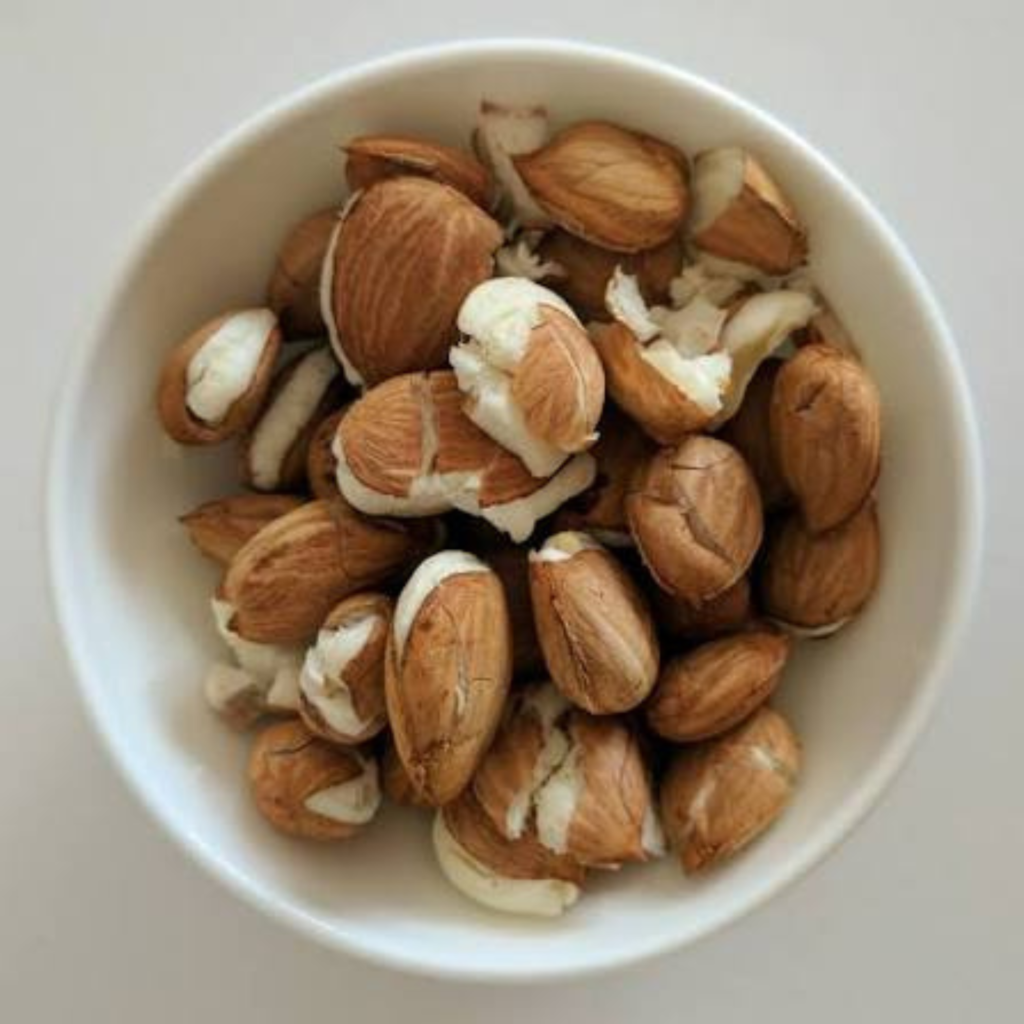
With apricot kernels available from online retailers, health food stores, specialty ingredient suppliers, and wholesale distributors, choosing the right product can seem overwhelming. While many products may look similar, their quality can vary depending on factors such as freshness, processing methods, packaging, storage, and supplier standards.
Whether you’re purchasing apricot kernels for cooking, baking, snacks, or food manufacturing, knowing what to look for can help you make a more informed decision.
This buying guide outlines the key factors to consider before placing an order.
Apricot Kernel Buying Checklist
Before purchasing apricot kernels, ask yourself the following questions:
- ✓ Is the product clearly labeled as sweet or bitter?
- ✓ Is the packaging sealed and in good condition?
- ✓ Is the best-before or expiry date clearly shown?
- ✓ Does the supplier state the country of origin?
- ✓ Are storage instructions provided?
- ✓ Is the product packaged for food use?
- ✓ Does the seller have positive customer reviews?
- ✓ Is the product shipped using appropriate food packaging?
- ✓ If purchasing an organic product, is it certified by a recognized organic certification body?
- ✓ Does the supplier provide information about quality control or food safety testing?
Using this checklist can help reduce the risk of purchasing old, poorly stored, or incorrectly labeled products.
Freshness
Freshness is one of the most important indicators of quality.
High-quality apricot kernels should generally have:
- A clean, pleasant aroma.
- A natural cream to light beige color.
- A crisp texture.
- No visible mold or moisture.
- No signs of insect damage.
- No stale or rancid smell.
Because apricot kernels naturally contain healthy oils, prolonged exposure to heat, oxygen, or moisture can gradually reduce their quality.
Whenever possible, choose products that have been packaged relatively recently and stored under appropriate conditions.
Packaging
Good packaging helps protect apricot kernels from the factors that can reduce freshness.
Look for packaging that is:
- Airtight.
- Food-grade.
- Properly sealed.
- Durable enough to prevent damage during shipping.
- Clearly labeled.
Common packaging options include:
Resealable Stand-Up Pouches
These are popular because they:
- Help maintain freshness after opening.
- Reduce exposure to air.
- Are convenient for home storage.
Vacuum-Sealed Packaging
Vacuum-sealed bags remove much of the air surrounding the kernels, helping preserve quality during transport and storage.
Food-Grade Containers
Some premium brands package apricot kernels in rigid food-grade containers or glass jars that offer additional protection against crushing.
Avoid purchasing products if the packaging is:
- Torn.
- Unsealed.
- Water-damaged.
- Missing important labeling information.
Country of Origin
The country where apricots are grown can provide useful information about the product.
Major apricot-producing countries include:
- Turkey
- Uzbekistan
- Pakistan
- Iran
- China
- Italy
- Spain
- United States
Country of origin does not automatically determine quality, but reputable suppliers should clearly disclose where their apricot kernels were produced or processed.
Knowing the origin can also be helpful if you have preferences regarding agricultural practices, regional varieties, or supply chains.
Best-Before and Expiry Dates
Always check the package for:
- Best-before date.
- Production date (if available).
- Batch or lot number.
A clearly marked date helps you estimate how long the kernels are likely to maintain their best quality when stored correctly.
Remember:
- A best-before date relates to product quality.
- An expiry or use-by date, where applicable, relates to the manufacturer’s recommended period for use.
Choose products with adequate remaining shelf life, particularly if you are purchasing in bulk.
Shipping and Delivery
Even the highest-quality apricot kernels can lose freshness if they are not shipped properly.
When ordering online, consider:
Packaging Protection
The product should be packaged to minimize:
- Crushing.
- Moisture exposure.
- Excessive heat.
- Contamination during transport.
Shipping Time
Faster shipping can be beneficial, especially in hot climates, as it reduces the amount of time the product spends in warehouses or delivery vehicles.
Seasonal Conditions
During periods of very high temperatures, reputable sellers may use additional protective packaging or recommend expedited shipping where appropriate.
Storage After Delivery
Once your order arrives:
- Inspect the packaging.
- Transfer the kernels to an airtight container if needed.
- Store them according to the manufacturer’s instructions.
Organic Apricot Kernels
Some consumers prefer organic apricot kernels because they are produced under certified organic farming standards.
If purchasing organic products, look for certification from a recognized organic certification body rather than relying solely on marketing terms.
Organic certification typically requires compliance with standards covering agricultural production, handling, and labeling. Requirements vary by country and certifying organization.
Whether you choose conventional or organic apricot kernels depends on your personal preferences, budget, and availability.
Lab Testing and Quality Assurance
Reputable suppliers often implement quality assurance procedures to help ensure product consistency and food safety.
Depending on the manufacturer and destination market, these may include:
- Visual inspections.
- Moisture testing.
- Sorting and grading.
- Screening for foreign materials.
- Food safety testing.
- Compliance with applicable regulations.
Some commercial suppliers may also provide certificates or documentation requested by wholesale buyers, such as food safety certifications or laboratory reports.
If you are purchasing apricot kernels for commercial use, exporting, or food manufacturing, you may wish to ask the supplier about:
- Food safety management systems.
- Batch traceability.
- Product specifications.
- Certificates of analysis (where available).
- Third-party testing procedures.
Buy From Reputable Sellers
Choosing a trustworthy supplier is just as important as selecting the product itself.
Look for sellers who:
- Clearly identify whether the kernels are sweet or bitter.
- Provide complete product descriptions.
- Display high-quality product images.
- Include Nutrition Facts and ingredient information where required.
- Offer responsive customer service.
- Have consistently positive customer reviews.
- Explain their storage and shipping practices.
A transparent supplier is often a good indicator of a well-managed business that values product quality and customer satisfaction.
Questions to Ask Before Buying
If important information is missing from the product listing, consider contacting the seller and asking:
- Are these sweet or bitter apricot kernels?
- Where were they grown?
- When were they packaged?
- What is the recommended storage method?
- Are they intended for food use?
- Do you follow food safety or quality assurance procedures?
- Is organic certification available, if applicable?
Reputable suppliers are usually happy to answer reasonable product questions.
Key Takeaways
Buying high-quality apricot kernels involves more than comparing prices.
Before making a purchase, consider:
- Freshness.
- Packaging quality.
- Country of origin.
- Best-before or expiry dates.
- Shipping practices.
- Organic certification (if important to you).
- Supplier reputation.
- Quality assurance and food safety procedures.
Taking a few extra minutes to evaluate these factors can help you choose a product that is fresh, properly handled, and suitable for your intended use. Whether you’re buying apricot kernels for home cooking or commercial purposes, purchasing from a reputable supplier is one of the best ways to ensure a positive experience.
Where Can You Buy Apricot Kernels?
If you’re wondering where to buy apricot kernels, you’ll find that they are more widely available today than ever before. Thanks to global e-commerce and international food distribution, consumers can purchase apricot kernels from a variety of sources, including online retailers, health food stores, wholesale suppliers, and specialty farms.
The best place to buy apricot kernels depends on several factors, including:
- Whether you need a small quantity for personal use or bulk quantities for commercial purposes.
- Whether you’re looking for sweet or bitter apricot kernels.
- Your preference for conventional or organic products.
- Shipping costs and delivery times.
- The supplier’s reputation and quality standards.
Below are the most common places to purchase apricot kernels and what you should consider before choosing a supplier.
1. Online Retailers
Online shopping is one of the easiest and most convenient ways to buy apricot kernels.
Many online retailers offer:
- Sweet apricot kernels
- Bitter apricot kernels (where permitted)
- Organic varieties
- Raw kernels
- Roasted kernels
- Small retail packs
- Family-size packages
Shopping online allows you to compare multiple products without leaving home.
Advantages of Buying Online
- Wide selection of brands and package sizes.
- Easy price comparison.
- Customer reviews and ratings.
- Convenient home delivery.
- Access to specialty products that may not be available locally.
What to Look For
Before placing an order, check whether the listing includes:
- Sweet or bitter variety.
- Country of origin.
- Net weight.
- Nutrition information (where required).
- Best-before date or shelf-life information.
- Storage instructions.
- Clear product photographs.
- Seller ratings and customer reviews.
A detailed product listing often reflects a supplier’s commitment to transparency.
2. Health Food Stores
Many health food stores carry apricot kernels as part of their selection of nuts, seeds, dried fruits, and specialty ingredients.
Availability varies by region and store size, but shopping locally offers several advantages.
Benefits of Buying from Health Food Stores
- Inspect the packaging before purchasing.
- Ask staff questions about the product.
- Purchase small quantities for first-time use.
- Avoid shipping costs.
- Take the product home immediately.
Some stores may also stock:
- Organic apricot kernels.
- Raw food ingredients.
- Specialty baking ingredients.
- Plant-based foods.
Because inventory differs between retailers, it may be helpful to call ahead before visiting.
3. Bulk Food Suppliers
If you use apricot kernels regularly or produce food products, purchasing from a bulk supplier may offer better value.
Bulk suppliers commonly sell apricot kernels to:
- Bakeries
- Food manufacturers
- Restaurants
- Ingredient distributors
- Commercial kitchens
- Health food retailers
Typical package sizes may range from a few kilograms to larger commercial quantities.
Advantages of Buying in Bulk
- Lower cost per kilogram.
- Consistent supply.
- Larger packaging options.
- Suitable for businesses with regular demand.
When purchasing in bulk, ensure you have appropriate storage facilities to maintain freshness after delivery.
4. Wholesale Suppliers
Wholesale suppliers serve businesses that purchase apricot kernels for resale or manufacturing.
Their customers may include:
- Grocery stores.
- Online retailers.
- Cosmetic manufacturers.
- Soap makers.
- Oil producers.
- Food processing companies.
- Exporters and importers.
Wholesale suppliers often provide additional documentation requested by commercial buyers, such as:
- Product specifications.
- Batch information.
- Food safety certifications.
- Certificates of analysis (where available).
- Packaging options.
- Private-label services.
If you operate a food business, wholesale purchasing may provide greater flexibility and lower long-term purchasing costs.
5. Direct from Farms or Growers
In regions where apricots are commercially grown, some farms sell apricot kernels directly to consumers or businesses.
Buying directly from growers may offer advantages such as:
- Greater product traceability.
- Information about growing practices.
- Fresh seasonal availability.
- Opportunities to purchase larger quantities.
- Direct communication with the producer.
Some farms also sell additional apricot products, including:
- Fresh apricots.
- Dried apricots.
- Apricot preserves.
- Apricot kernel oil.
Keep in mind that not every apricot farm processes its own kernels. Some farms sell harvested pits to specialized processors who extract, clean, and package the kernels.
Organic vs. Conventional Products
Whether shopping online or in person, you may find both organic and conventionally grown apricot kernels.
If organic production is important to you:
- Look for certification from a recognized organic certification body.
- Read the product description carefully.
- Avoid assuming a product is organic simply because the word “natural” appears on the label.
Both organic and conventional apricot kernels should be stored properly and purchased from reputable suppliers.
Buying for Personal Use vs. Business
The best supplier depends on how you plan to use the product.
Personal Use
If you’re buying apricot kernels for:
- Cooking
- Baking
- Smoothies
- Homemade snacks
- Granola
- Salads
a reputable online retailer or local health food store will often meet your needs.
Commercial Use
If you’re purchasing for:
- Food manufacturing
- Wholesale distribution
- Retail sales
- Cosmetic production
- Soap making
- Oil extraction
working directly with a wholesale supplier or bulk distributor is usually the more practical option.
Questions to Ask Before Buying
Before purchasing, consider asking the supplier:
- Are these sweet or bitter apricot kernels?
- Where were they grown?
- Are they intended for food use?
- What is the recommended storage method?
- What packaging sizes are available?
- Are they certified organic, if applicable?
- Do you provide food safety or quality documentation?
These questions can help ensure the product matches your intended use and quality expectations.
Tips for Choosing a Reliable Supplier
Whether buying online or in person, look for suppliers who:
- Clearly identify the kernel variety.
- Provide complete product descriptions.
- Display high-quality product images.
- Include country of origin.
- Show best-before or expiry information.
- Offer responsive customer support.
- Have positive customer reviews.
- Package products securely for shipping.
A reputable supplier should make it easy for customers to understand exactly what they are purchasing.
Key Takeaways
Apricot kernels are available from a wide range of sources, including:
- Online retailers offering convenient home delivery and a broad selection.
- Health food stores where you can inspect products before purchasing.
- Bulk suppliers serving customers who need larger quantities.
- Wholesale distributors supplying businesses in the food and cosmetic industries.
- Direct farms and growers in apricot-producing regions that sell kernels or related products.
Regardless of where you buy, always choose a supplier that provides clear labeling, proper packaging, transparent product information, and appropriate food safety practices. Taking the time to compare suppliers can help you purchase fresh, high-quality apricot kernels that are well suited to your culinary or commercial needs.
Frequently Asked Questions About Apricot Kernels
Below are answers to some of the most common questions people ask about apricot kernels. These FAQs summarize the key points covered throughout this guide and are designed to help you quickly find the information you need.
1. What are apricot kernels?
Apricot kernels are the edible inner portion found inside the hard pit (stone) of an apricot fruit (Prunus armeniaca). They resemble small almonds in appearance and are commonly used in baking, cooking, snack mixes, and the production of apricot kernel oil.
2. Are apricot kernels edible?
Yes, sweet apricot kernels are commonly sold as a food ingredient and are used in many recipes. Bitter apricot kernels are different because they naturally contain much higher levels of compounds that can release cyanide when digested. Food safety recommendations for bitter kernels vary by country, so consumers should always follow local regulations and product labeling.
3. Are apricot seeds and apricot kernels the same?
In everyday language, the terms apricot seeds and apricot kernels are often used interchangeably. Botanically, however, the kernel is the edible inner part found inside the seed, which is protected by the hard pit. For most consumers, both terms refer to the edible portion sold for culinary use.
4. What do apricot kernels taste like?
The taste depends on the variety.
- Sweet apricot kernels have a mild, nutty flavor that is often compared to almonds.
- Bitter apricot kernels have a strong, distinctly bitter taste and are not suitable as an everyday snack.
5. How should apricot kernels be stored?
Store apricot kernels in an airtight container in a cool, dry place away from heat, moisture, and direct sunlight. If you live in a warm or humid climate or purchase them in bulk, refrigeration or freezing can help preserve freshness.
6. Where can I buy apricot kernels?
Apricot kernels are available from:
- Online retailers
- Health food stores
- Specialty food shops
- Bulk food suppliers
- Wholesale distributors
- Direct growers or farms in some apricot-producing regions
Choose reputable suppliers that clearly identify whether the kernels are sweet or bitter and provide complete product information.
7. Are sweet and bitter apricot kernels the same?
No.
Although they look very similar, sweet and bitter apricot kernels differ in flavor, intended uses, and safety considerations. Sweet kernels are commonly used in food, while bitter kernels contain much higher levels of naturally occurring compounds that can release cyanide during digestion and require greater caution.
8. What nutrients do apricot kernels contain?
Apricot kernels naturally contain:
- Plant-based protein
- Healthy unsaturated fats
- Dietary fiber
- Vitamin E
- Magnesium
- Potassium
- Iron
- Phosphorus
- Naturally occurring antioxidants
The exact nutrient content varies depending on the variety and growing conditions.
9. Can you cook with apricot kernels?
Yes.
Sweet apricot kernels can be incorporated into many recipes, including:
- Cakes
- Muffins
- Cookies
- Homemade granola
- Trail mixes
- Salads
- Yogurt parfaits
- Smoothies
- Bread
- Energy bars
Their mild almond-like flavor makes them a versatile ingredient in both sweet and savory dishes.
10. Are apricot kernels used to make oil?
Yes.
Apricot kernels are mechanically pressed to produce apricot kernel oil.
Food-grade apricot kernel oil may be used in gourmet cooking, while cosmetic-grade oil is commonly used in skincare products, massage oils, soaps, lotions, and other personal care products.
11. How long do apricot kernels last?
The shelf life depends on storage conditions and packaging.
When stored properly in an airtight container in a cool, dry place, apricot kernels can maintain good quality for several months. Refrigeration and freezing may help preserve freshness for longer periods. Always follow the manufacturer’s best-before date and storage instructions.
12. Are organic apricot kernels better?
Neither organic nor conventional apricot kernels are inherently “better” for everyone.
Organic products are produced under certified organic farming standards, while conventional products follow standard agricultural practices. The best choice depends on your personal preferences, budget, and availability. Regardless of which you choose, buy from reputable suppliers that maintain high food safety and quality standards.
13. Can apricot kernels be eaten raw?
Sweet apricot kernels are commonly sold for culinary use and may be consumed according to the manufacturer’s instructions. Bitter apricot kernels should not be assumed to be interchangeable with sweet varieties because of important safety differences. Always read the product label carefully and follow any usage guidance provided.
14. What recipes use apricot kernels?
Apricot kernels can be used in many recipes, including:
- Homemade granola
- Cookies
- Muffins
- Cakes
- Biscotti
- Bread
- Trail mix
- Fruit salads
- Green salads
- Smoothies
- Yogurt bowls
- Energy bites
- Nut and seed mixes
Many people lightly chop or toast sweet apricot kernels to enhance their flavor before adding them to recipes.
15. How much protein is in apricot kernels?
Apricot kernels contain plant-based protein, although the exact amount varies depending on the variety, growing conditions, and processing methods.
For precise nutritional information, refer to the Nutrition Facts panel on the product you purchase.
16. Do apricot kernels taste like almonds?
Sweet apricot kernels are often compared to almonds because they have a mild, nutty flavor and a crisp texture. While they are similar, apricot kernels have their own distinctive taste and are generally more delicate than most almond varieties.
17. What’s the difference between an apricot pit and an apricot kernel?
The pit (also called the stone) is the hard outer shell found in the center of the apricot fruit.
The kernel is the edible inner portion that is revealed after the pit is cracked open.
Think of it like this:
Apricot Fruit → Pit → Seed → Kernel
18. Are apricot kernels gluten-free?
Apricot kernels are naturally gluten-free. However, if you have celiac disease or a gluten-related disorder, check the product label for information about processing facilities and potential cross-contact with gluten-containing ingredients.
19. Can apricot kernels be included in a balanced diet?
Yes.
Sweet apricot kernels can be enjoyed as part of a varied and balanced diet. They provide healthy fats, plant protein, dietary fiber, vitamin E, and several essential minerals. Like other nuts and seeds, they are best enjoyed in appropriate portions alongside a wide variety of nutritious foods.
20. What should I look for when buying apricot kernels?
When purchasing apricot kernels, consider the following:
- Clearly labeled as sweet or bitter
- Fresh appearance
- Airtight packaging
- Country of origin
- Best-before date
- Storage instructions
- Reputable supplier
- Food-grade packaging
- Organic certification, if desired
- Quality assurance or food safety information where available
Taking a few moments to review these details can help you choose a high-quality product that suits your intended use.
Still Have Questions?
Apricot kernels are a fascinating and versatile ingredient with a long history of culinary and commercial use. Whether you’re interested in their nutrition, cooking applications, storage, or buying tips, understanding the basics can help you make informed decisions.
If you’re looking for more detailed information, explore the related articles linked throughout this guide, where you’ll find in-depth discussions on nutrition, recipes, sweet versus bitter kernels, storage methods, buying advice, and much more.
Final Thoughts
By now, you should have a clear understanding of what are apricot kernels, where they come from, how they differ from apricot seeds and pits, and why they have been valued in kitchens and food traditions for centuries.
Although small in size, apricot kernels are a remarkably versatile ingredient. Sweet apricot kernels can be incorporated into baking, cooking, granola, salads, smoothies, and homemade snacks, while apricot kernel oil is widely used in both culinary and cosmetic applications. Their naturally occurring healthy fats, plant-based protein, dietary fiber, vitamin E, essential minerals, and antioxidants make them an interesting addition to a varied and balanced diet.
At the same time, it’s important to recognize that not all apricot kernels are the same. Understanding the difference between sweet and bitter apricot kernels is essential before purchasing or using them. Bitter apricot kernels contain much higher levels of naturally occurring compounds that can release cyanide during digestion, so they should not be treated the same as sweet varieties. Always read product labels carefully, purchase from reputable suppliers, and follow any usage guidance provided by the manufacturer.
When buying apricot kernels, remember to consider factors such as:
- Freshness
- Packaging quality
- Country of origin
- Best-before date
- Storage recommendations
- Supplier reputation
- Organic certification (if important to you)
- Food safety and quality assurance practices
Taking a few extra minutes to evaluate these details can help you choose a product that is fresh, properly handled, and suitable for your intended use.
Proper storage is equally important. Keeping apricot kernels in an airtight container and protecting them from heat, moisture, light, and excess air can help preserve their flavor and quality. If you purchase larger quantities, refrigeration or freezing may be helpful for maintaining freshness over a longer period.
Whether you’re a home cook experimenting with new recipes, a baker searching for unique ingredients, or simply someone interested in learning more about plant-based foods, apricot kernels offer many possibilities. Their mild almond-like flavor, versatility, and long history of culinary use continue to make them a popular ingredient in households and food industries around the world.
Continue Exploring Our Apricot Kernel Guides
This article is just the beginning. To help you learn more about apricot kernels and make informed purchasing and cooking decisions, we’ve created a collection of detailed guides covering every aspect of this fascinating ingredient.
You may also enjoy reading:
- What Is the Difference Between Apricot Seeds and Apricot Kernels?
- Sweet vs. Bitter Apricot Kernels: What’s the Difference?
- Apricot Kernel Nutrition Facts: A Complete Guide
- Health Benefits of Apricot Kernels: What the Research Says
- How to Store Apricot Kernels Properly
- How to Buy High-Quality Apricot Kernels
- Where to Buy Apricot Kernels Online
- Apricot Kernel Oil: Benefits, Uses, and How It’s Made
- How to Cook with Apricot Kernels
- Easy Apricot Kernel Recipes for Beginners
Each guide explores a specific topic in greater depth, helping you better understand how apricot kernels are grown, processed, stored, and used in everyday life.
Stay Informed
As research and food industry practices continue to evolve, we regularly update our educational content to reflect current information and best practices.
Be sure to bookmark this guide and explore our growing library of apricot kernel articles for practical tips, recipes, buying advice, nutrition information, and answers to the questions consumers ask most often.
Whether you’re discovering apricot kernels for the first time or looking to expand your knowledge, we hope this guide has provided a helpful introduction and a reliable starting point for your journey.